05 Feb 2026 • 5m read
Everything you need to know about motorcycle boots

Motorcycle boots are tremendously important in terms of safety, but they needn't be expensive. While high-end motorcycle riding boots can be costly, there are plenty of options for affordable urban motorcycle gear you can choose from. That said, as with most motorbike gear, you tend to get what you pay for, with quality reflecting price. Whether you’re a weekend warrior or a daily commuter, the right motorcycle boots can make all the difference in keeping you safe, comfortable, and looking sharp on and off the bike.
So, what are the best motorcycle boots for your style of riding? Do you need to prioritize waterproof motorcycle boots, adventure motorcycle boots, or tall motorcycle boots for greater protection? What about youth motorcycle boots and the perceived difference between stylish motorcycle boots and motorcycle road boots? In this article, we explain everything you need to know to make an informed decision when purchasing a new pair of motorcycle boots.
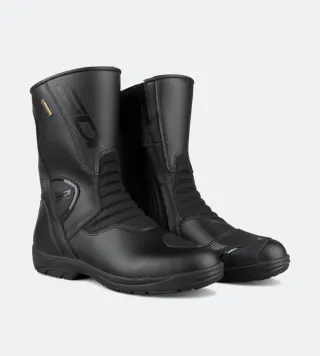
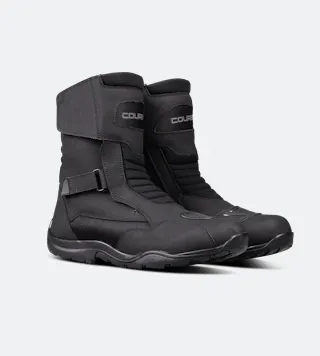
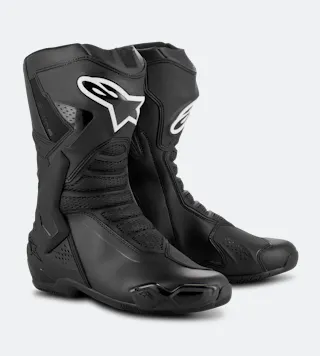

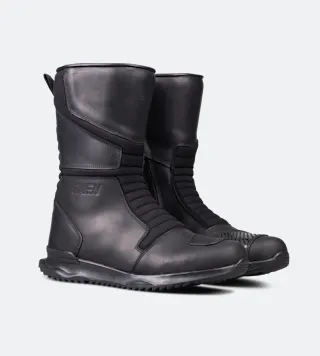
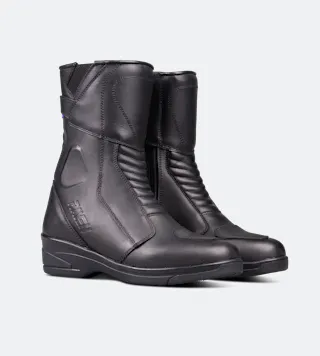
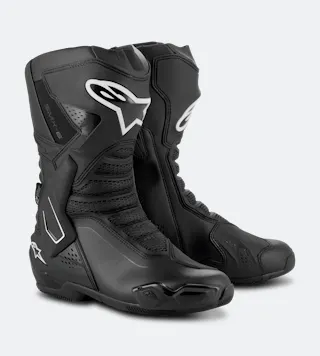
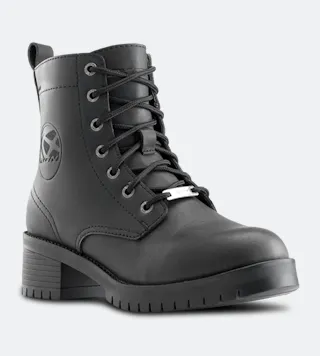
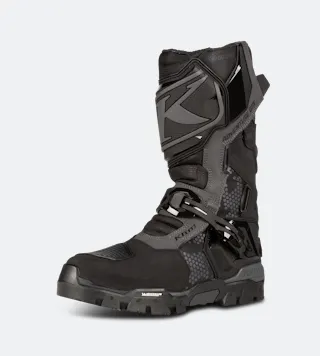
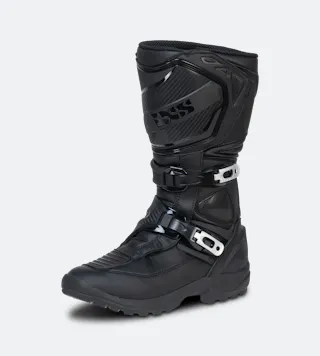
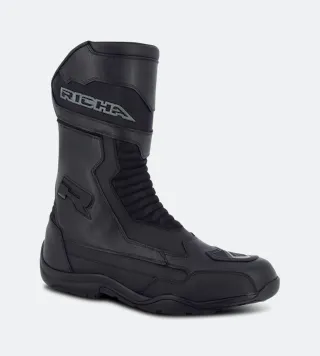
How Should Motorcycle Boots Fit?
When you wear any pair of motorcycle boots, they should feel supportive. What you want is footwear that offers protection for the foot and ankle without sacrificing your comfort. It is also important that you feel mobile in your choice of motorbike boots. If you don't, then your control of the motorbike could be compromised when riding. Besides, most riders will want a pair of motorcycle boots that feel comfortable to walk around in and not just a good fit when on their bikes.
What you are after is a snug fit, especially around the heel and the ankle. However, the fit should not be too restrictive, especially on a cold or rainy day when you might be sporting more than one pair of socks. You also want to avoid pinch points or pressure so that you can freely move your foot to change gears. In the end, choosing the most comfortable motorcycle boots is always something of a compromise. A snug fit should mean your feet are comfortable, but the boot should not be so loose that it slips around when using your foot to control the bike.
The same goes for your toes, as it does for the heel and ankle. You should feel comfortable moving your toes inside each boot. However, the fit should not be so loose that your feet move forward inside the boot when you brake. The closure system should offer the same snug fit without restrictions. Some zip-up motorcycle boots can be tight around the calf, whereas Velcro or buckle fastenings offer more room to manoeuvre. Of course, motorcycle boots don't have to cover the calf at all, but those that do should not restrict blood flow to the lower leg.

Motorcycle Touring Boots
If you want the best motorcycle touring boots, then a relaxed fit will probably suit you best. Designed for hours of riding and weather protection, this type of motorcycle boot will often have a slightly wider fit, making it easier to walk in them.

Motorcycle Track Boots
If you're looking to buy motorcycle racing boots, you will want a tighter, more supportive feel. Such boots should offer plenty of protection, but the pay-off is that they'll be more restrictive. These styles of boots aren't usually comfy to walk in, as they're simply not designed to be.

Off-Road Motorcycle Boots
Adults' and kids' motocross boots tend to offer less comfort, like most motorcycle track boots. They're particularly restrictive at the ankle to prevent undue inflexion. What tends to mark them out is their flexible upper fastenings at the calf, which makes them suited to multiple types of riders.

Casual Motorcycle Boots
Casual or so-called urban motorcycle boots are typically designed for greater comfort. They are less snug than other types and feel good, both on and off the bike. They're usually presented as motorcycle boots that you can wear in social settings but sometimes don't offer the degree of protection that other types do.
Motorcycle Boots Size Guide
Generally speaking, motorcycle boots are sized in much the same way as regular footwear. If your usual boot size is 10, then it is highly likely you will need a size 10 for your choice of motorbike footwear. That being said, there are some aspects to take into account.
Firstly, you need to consider how the manufacturer of the boots sizes their products. American motorcycle boot brands use standard US sizes, while European makers and British ones stick to their own systems. For comparison's sake, a pair of size 8 men's motorcycle boots in the US would be 7.5 in the UK and 41 in Europe. Likewise, a pair of size 13 American men's motorcycle boots would be 12.5 in the UK and size 46 in Europe. The same goes for women's motorcycle boots, but the numbers differ somewhat. For example, size 7 female motorcycle boots in the US would be 5 in the UK or 38 in Europe.
It is also important to note that US motorcycle boots for men tend to offer a more generous width than what you can find in Europe. Some European brands tend to produce narrower motorcycle boots overall. So, keep this in mind when ordering online, as you won't have a chance to try them on. It is also worth noting that some women's motorcycle boots may look the same as men's motorcycle boots, but they are actually made with a narrower heel and midfoot. Typically, such boots are marketed as women-specific products, not just a sized-down version of a popular men's design.
Although there are many unisex motorcycle boots on the market today, some female motorcycle boots will have different lengths to accommodate the position of the lower calf. Certain motorcycle racing boots designed for men will come up higher than those with a women's design. However, this very much depends on the maker. Among more casual motorcycle boot designs for women, stretch panels or other adjustable sections tend to provide the greatest flexibility at the calf, which many women look for in their choice of motorcycle boots.
How to Break in Motorcycle Boots
Once you’ve found the right size boots, it’s time to make sure they feel great on the road. When breaking in a new pair of motorcycle boots, always take them out for a ride while wearing your usual riding socks. Go for some short rides at first before extending the time you go out on the bike with them. This gives the boots time to adjust, not only to the shape of your feet but also your riding style. Although taking shortcuts to wear them in—by applying water or heat to new boots, for example—may seem like a good idea, it is better to break in boots more slowly. Such shortcuts can affect the performance of motorcycle boots over the long term.
If you bought new leather motorcycle boots, take some time to wear them around the house before riding with them. This will help to shape the leather and make it more supple. A couple of fifteen-minute sessions of just walking around in them is enough to start breaking them in. Before riding with them for the first time, consider applying a leather conditioner. The crucial areas are around the ankle, heel and toe, but anywhere the boots feel stiff will tend to benefit from conditioning. After a ride out, move your feet around inside the boots, which will help stretch the leather. You don't want to stress leather motorcycle boots too much, though. Just move normally with a normal foot flex to help the boots give in the right areas.
Note that synthetic motorcycle boots usually take less time to break in than leather ones. However, you should still wear the boots around the house before riding with them on, and you should also limit your riding until they're fully ready. Moleskin padding or gel inserts can sometimes be useful for dealing with particularly stiff parts of synthetic boots.

What Makes Motorcycle Boots Different?
In many regards, motorcycle boots resemble walking or work boots. However, they are often much more precisely designed and engineered for the needs of riders. For one thing, steel-toe motorcycle boot designs are popular and known to offer great protection. In addition, many boots offer protection at the heel, with so-called heel cups that are made from various materials, including, in some instances, steel. Additional armour is commonplace at the ankle, too. Although not all boots feature them, TPU sliders are sometimes incorporated into the design. Tall motorcycle boots often include shin plates, a common feature of most specialist motorcycle track boots.
Beyond the level of protection they offer, some motorcycle boots benefit from a reinforced instep. This is less about impact resistance and more about making it as comfortable as possible to shift gears. Most boots also feature high-grip soles that are, in some cases, resistant to exposure to oil. This is important for control, especially when riding in wet or slippery conditions. Most soles are designed to be stiffer than regular boots, which helps to prevent the foot from being twisted if it were to suffer an impact. Some motorcycle leather boots also feature heat shields, which are important for riders who have bikes with exhausts that are close to the feet.
Finally, waterproof membranes and breathable panels are also common features of modern motorcycle boots. Although such components can often be found in work or hiking boots, too, they tend to be designed with riders in mind when fitted to motorcycle boots. Such features are now commonplace with touring motorcycle boots, where comfort over the course of long rides is prioritized.
What to Look for in Motorcycle Boots
Tracking down the right pair of motorcycle boots is much like finding the perfect pair of motorcycle gloves—something that takes time and a little know-how. Although you might want a pair that goes well with your chosen jacket, such as a pair of red motorcycle boots, style considerations should be secondary compared to safety. After all, with so many styles to choose from, you will certainly be able to obtain a pair of high-performance boots with the right sort of aesthetic.
Safety
In terms of safety, look for reinforcements at the toe, heel and ankle. Shin plates are generally beneficial for tall motorcycle boots, while abrasion-resistant materials are also important. Traditional leather motorcycle boots will usually be tough enough, but check for the relevant safety standards. Synthetic boots should be made of tough materials, such as Lorica, and also comply with modern safety certifications.
Weatherproofing
As mentioned, the fit is important, and how snug the fit should be will depend on your needs and the style of boot. Beyond that, look for weatherproofing. If you plan to ride a lot in rain or cold conditions, then a breathable membrane or thermal lining may be important to you. There again, airflow might be a priority, particularly if you happen to ride a lot in the summer or live somewhere hot.
Flexibility
When it comes to fastenings, flexibility is often preferable for all types of motorcycle boots. Zippers are often used, but unless the boots also have stretchy panels, they aren't always flexible. Like zippers, Velcro is convenient. Both are ideal choices if you get on and off your bike a lot. Lace-up boots tend to be important for urban motorcycle boots, but they take more effort. There again, BOA® dials offer a great deal of fine-tuning capability and are a common feature of both touring and motorcycle racing boots.
Boot grip
Finally, as well as grip and anti-slip features, the sole of your chosen tall motorcycle boots is worth considering. What you want is a boot with what's called a 'good peg feel'. This will help you to ride with confidence, as you'll be able to feel your bike's responsiveness while riding. What you want to avoid is a boot that makes you feel disconnected from the motorbike.

How to Style Motorcycle Boots
Motorcycle boots pair best with full racing leathers or even just a cool motorcycle jacket, but you can also wear riding boots with jeans and other hard-wearing trousers. If you're not riding, then chinos and a T-shirt could be all you need to set off your chosen boots, especially if you wear them as a fashion accessory. If it's colder, then you could wear a hoodie or a textile jacket instead. Short touring boots are often the best at creating a casual look since they look like regular, everyday boots. In terms of accessories, motorcycle boots tend to pair best with rugged messenger bags or leather knapsacks.
How to Wear Motorcycle Boots with Jeans
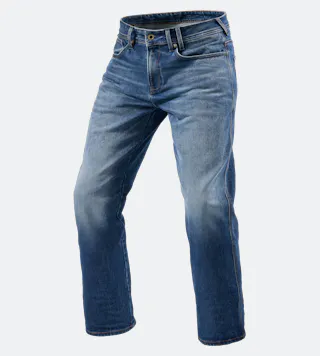
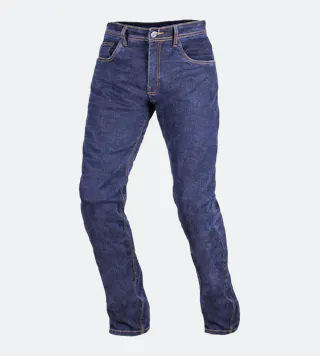
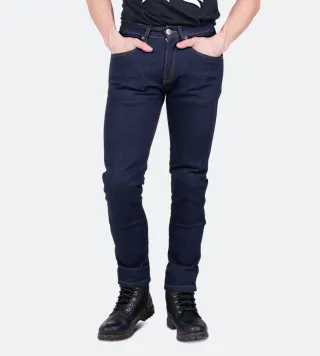
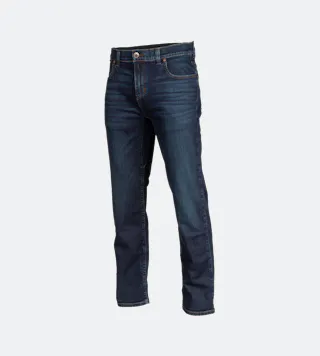
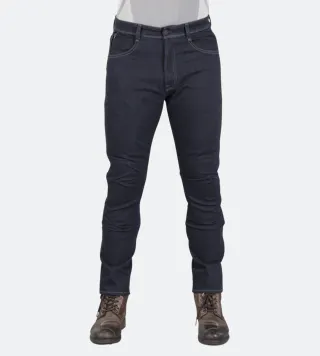
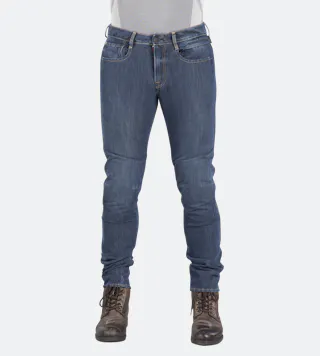
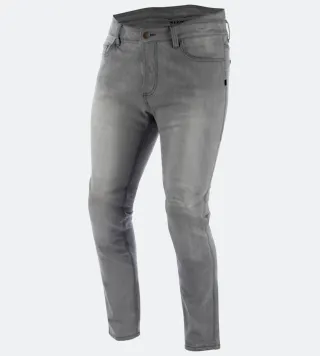
Jeans and motorcycle boots go well together. They're usually quite simple to style with one another. If you're out on a ride, choose jeans that can stretch with your movement and that, ideally, have reinforcements. Boot-cut jeans are best for motorbike boots that extend over the ankle, while tall motorcycle boots often pair best with slim or tapered jeans that tuck into them. The latter tends to be the preference for women's motorcycle boots, but there is no hard-and-fast rule about this. Generally speaking, darker denim dyes tend to work best with all boots, including motorcycle ones.
How to Dry Motorcycle Boots
If your boots get wet after a ride, then wipe them down to remove debris. Mould and bad odours can build up when motorcycle boots are left wet between rides. However, don't be tempted to place the boots on a radiator or use a hairdryer to dry them, as this is bad for boots, especially leather motorcycle boots. Instead, place them in a well-ventilated room to aerate. You can help this by opening them up fully and removing the insoles if possible, making sure the vents are open and free to air out.
Why Are Motorcycle Boots Important?
Motorcycle boots are important because they protect the foot and, in the case of tall motorcycle boots, the lower leg as well. Steel or composite materials protect the toes, while rigid heel cups safeguard the back of the foot. Many types of boots also have rigidity, sometimes augmented by internal bracing systems, which helps to prevent twisting and straining. On top of this, heat resistance is a big part of what motorcycle boots offer. Although standard boots can help in all these regards, they rarely provide as much protection as purpose-built boots for motorcyclists.
In addition to safety, good motorbike boots should provide protection from the elements. Both synthetic and leather motorcycle boots should be rainproof and also provide adequate protection in cold weather. They should keep your feet warm in fast-moving traffic while also providing sufficient airflow so that you remain comfortable on your bike. Standard footwear rarely covers all of these bases.
In addition, motorcycle boots are stylish. There is no escaping that many motorcycle boots look like they're designed for bikers for a reason, basically, to appeal to bikers. Certainly, this is the case among retro motorcycle boots. For some, the look of vintage motorcycle boots is what it's all about, and the fact that modern equivalents also provide plenty of protection is a bonus.
How Do Motorcycle Boots Protect You?
Like motorbike helmets, motorcycle boots should be looked after, especially if you want them to offer good protection for years to come. As our motorcycle helmet maintenance guide makes clear, riders should take responsibility for their safety equipment. To look after your boots, take care to wipe them down after every ride. Removing grime not only improves their appearance but also helps with longevity and performance. Dirty boots can become slippery, which affects control. For leather motorcycle boots, use a specialist leather cleaner every month or so, which will help you keep them in mint condition.
Spray-on waterproofing is also a good move to help protect you from rainy conditions and road spray. This is something you should do before any long journey, whether you have synthetic or leather motorcycle boots. If you have motorcycle race boots with toe sliders, then replace these as soon as they show signs of wear if you want to maintain protection. The soles on boots may also begin to wear out. As some of the best motorcycle boots on the market are extremely pricey, it might be worth replacing worn-down soles rather than buying new boots altogether. Bear in mind, too, that the shape of motorcycle boots reflects your rider characteristics once they've been broken in. This helps you to control your bike properly, another form of rider protection. Therefore, when your boots are in storage, stuff some newspaper in them to help maintain this unique shape, ready for your next ride.

Quick Guide to Motorcycle Boots
Looking for the right motorcycle boots? Here’s what you need to know at a glance:
Style matters: Match your boots to your riding style—racing, touring, adventure, cruiser, or off-road. Each has specific features for performance and safety.
Fit is crucial: Motorcycle boots should feel snug but not tight. Try them with your usual riding socks and ensure they don’t pinch or slip at the heel.
Safety first: Look for reinforced toes, ankle protection, anti-slip soles, and CE certifications to keep your feet and ankles safe.
Sizing tips: EU sizes are common in motorcycle gear, as are UK and US sizes—always check the brand’s size chart. When in doubt, go up a size and wear thicker socks.
Break them in slowly: Wear new boots around the house or during short rides. Avoid using heat or water to speed up the break-in process.
Weatherproofing: Waterproof motorcycle boots or a weatherproof spray can make a big difference on long rides. Breathability is key for comfort.
Care & maintenance: Clean leather regularly, re-waterproof when needed, and store them in a dry, cool place to extend their lifespan.
Style & function: From urban leather boots to rugged adventure designs, modern boots combine fashion and function—just pick what suits your vibe.
Conclusion – How to Buy Motorcycle Boots
When purchasing a new pair of motorcycle boots, choose something that you will actually use for riding. If you simply want the look of motorbike boots, then there are plenty of low-cost alternatives, but these will not offer the same level of comfort on the bike, nor do they provide the same degree of rider protection. Make your choice according to your riding style, the weather conditions you tend to ride in, and the look you most want, both on and off the bike.


