12 Aug 2026 • 5m read
How to Choose Motorcycle Tyres

Buying the first set of motorcycle tyres you see for your bike does not automatically mean you will end up with the wrong option. However, it does increase the risk of choosing tyres that aren't ideal for how you actually ride. If you want the best motorcycle tyres you can afford, it helps to look beyond what is simply available or what a tyre fitter might suggest by default. The right choice depends on how, where and how often you ride.
Learning how to choose motorcycle tyres also means understanding some key technical details. These include tyre sizing, load ratings and maximum pressure limits. There is no single tyre that works perfectly in every situation, which is why many riders keep more than one set. Swapping tyres to suit different riding styles and road conditions can make a noticeable difference to grip, comfort and confidence. Read on to find out everything you need to know about how to choose motorcycle tyres in this in-depth XLMoto guide.

Understand Your Motorcycle Tyre Needs
Not all motorcycle tyres are the same, and they are not designed for the same purposes. Because of this, there is no single definition of what the best motorcycle tyres actually are. For one rider, that might mean a premium set of long-lasting tyres built for covering serious mileage. For another, it could mean tyres that prioritise grip and effective water dispersal to suit more demanding riding conditions.
Most riders fall somewhere in between. Many bikers use their motorcycles in more than one way, which means choosing motorcycle tyres often involves compromise. The goal is to find a set that performs well across the types of riding you do most often. If you are unsure what kind of rider you mainly are, and therefore which tyres are likely to suit you best, the XLMoto Ultimate Guide to Motorcycle Tyres is a useful place to start. Below, we break down how modern motorcycle tyres match different riding styles.
Matching your riding style with typical speeds
Riders who enjoy spirited or high-speed riding will usually benefit from motorcycle tyres made with grippier rubber compounds. These tyres often wear more quickly than harder alternatives, but they tend to deliver the best performance when it comes to cornering. This makes them well-suited to track days or aggressive riding on twisty roads. Tyres with a stiffer construction can also provide greater stability, which is worth considering if you regularly push your motorcycle tyres at higher-than-average speeds.
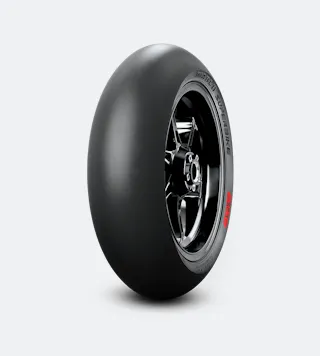
Track-focused riders may even opt for slicks or near-slick tyres, which offer maximum grip on dry, controlled surfaces. While these can be extremely effective on a circuit, they are not suitable for road use and would be impractical and unsafe for touring or everyday riding. At the other end of the scale are commuters who ride to and from work, usually at moderate speeds and often through heavy traffic. If this sounds like you, the best motorcycle tyres for your needs are likely to focus more on durability than outright grip. These tyres are typically made from tougher compounds that offer strong mileage and reliable performance in all weather conditions. While this usually involves a compromise in ultimate grip, it is rarely an issue when most riding takes place below 30mph in urban environments.
For touring riders who frequently head out on long journeys, the best motorcycle tyres need to remain stable at motorway speeds for extended periods without overheating or becoming too soft. At the same time, they must deliver a long tread life to cope with high mileage. Predictable handling is also a priority, as most tourers value confidence and consistency over maximum grip. Ultimately, understanding how to choose motorcycle tyres comes down to being honest about how you usually ride. Focussing on your average pace rather than your fastest moments will help you choose motorcycle tyres that perform well day to day, rather than a set that only really shines in situations you rarely encounter.
The conditions you ride in most often
If you ride regularly in wet weather, it makes sense to choose tyres with tread patterns and rubber compounds that clear water effectively. Not every rider does, so this matters less if you only head out in fair conditions. Riders who stay on the road through the winter months should look for motorcycle tyres that continue to offer reliable grip when temperatures drop. Many tyres are rated for performance across different temperature ranges.
For fair-weather riders, the best motorcycle tyres may feature fewer grooves and place more emphasis on cornering stability. However, many bikers prefer tyres that deliver consistent performance across a wider range of conditions. This allows you to ride confidently in the dry without worrying too much about grip if the weather suddenly turns.
Road surface also plays a role. Smooth tarmac generally suits softer tyre compounds, but frequent riding on rough rural roads or gravel-strewn lanes calls for different tread and construction choices. Deeper tread blocks and wider spacing help maintain traction in these conditions. As a result, off-road riders often find that the best motorcycle tyres for their needs use more aggressive, knobbly tread patterns. These tyres may feel less stable and become excessively noisy at higher road speeds, so priorities need to be weighed carefully. Adventure and off-road riders will also usually look for stronger sidewalls and improved puncture resistance.
How bike weight and engine power affect tyre choice
Heavier motorcycles place greater demands on their tyres, particularly under braking and when cornering. For this reason, tyre construction and load rating matter more than many riders realise. You don’t need to know how carcass strength is engineered, but you should check that the tyre is rated to handle the bike’s weight in real-world use. Regularly carrying motorcycle luggage or a pillion adds to this load, which is why many riders favour motorcycle tyres designed for touring or reinforced use rather than lighter sport-focused options.
Engine power also plays a role in how tyres wear. High-output bikes put more stress on the rubber during acceleration, which can shorten tyre life if the compound is not designed to cope with heat buildup. As a result, the best motorcycle tyres for performance bikes tend to balance grip with thermal stability instead of outright softness. Lighter and lower-powered motorcycles are less demanding in this respect, so these types of motorcycles often work well with more modest tyre options. In these cases, well-chosen mid-range tyres can deliver dependable grip and handling without unnecessary expense.

How to Find the Correct Motorcycle Tyre Size
If you plan to fit motorcycle tyres yourself, choosing the correct size is essential. Our guide on how to change motorcycle tyres explains the fitting process in more detail. If you buy tyres and have them fitted by a supplier, they should supply the correct size for your bike. Even so, it is still worth understanding how motorcycle tyre sizing works so you can be confident the right tyres are being fitted.
Many motorcycles use different tyre sizes for the front and rear wheels, and fitting the wrong size can affect handling, stability, and safety. Knowing how to identify the correct tyre size helps you make informed choices when buying motorcycle tyres, whether you are fitting them yourself or relying on a professional. So, what do you need to know about modern motorcycle tyre sizing?
Getting to know tyre size markings
Understanding tyre markings is a key part of learning how to choose motorcycle tyres that actually fit your bike. The good news is that manufacturers follow a standard format. The first number in a tyre code shows the tyre's width in millimetres. The second number indicates the height of the sidewall as a percentage of that width, something worth double-checking against your owner’s manual if you're unsure. The final number refers to the diameter of the wheel rim that the tyre is designed to fit. You may also see extra letters, such as “ZR”, which indicate characteristics like construction type or speed capability.
It is also important to check the tyre’s load index. This tells you the maximum weight the tyre can safely carry when correctly inflated. Alongside this, the speed rating shows the maximum speed the tyre is designed to handle under load. Both figures matter for safety and performance. If you ride a heavier motorcycle, carry luggage or attend track days, choosing tyres with suitable load and speed ratings becomes even more important.
Why sticking to manufacturer sizes matters
Motorcycle handling is designed around specific tyre dimensions, so fitting the wrong size can quickly change how a bike behaves on the road. Incorrect sizes can affect steering response and make cornering feel unpredictable. Motorcycle tyres that are too wide may even rub against other components, and even when they don’t, they often make the bike feel heavier and slower to turn.
On the other hand, tyres that are too narrow can reduce stability and grip, particularly under braking, and they often wear out faster than expected. For these reasons, sticking to the tyre sizes recommended by the motorcycle manufacturer is important, not just for performance, but for safety and predictable handling as well.

Choosing the Right Motorcycle Tyre Type
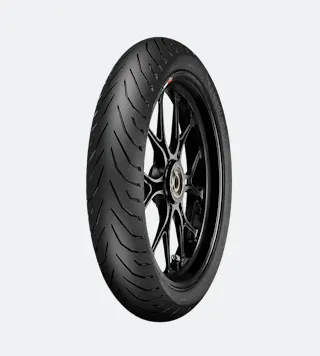
There are many different motorcycle tyres on the market today, and they are often grouped by riding style or intended use. Sport and hypersport tyres, for example, are aimed at sports bike riders and those who enjoy track days. These tyres focus heavily on grip and tend to warm up quickly. The trade-off is usually a shorter lifespan, especially when used on the road.
At the opposite end of the scale are touring tyres. These are built to deliver stability, high mileage and dependable performance in a wide range of weather conditions. They are typically made from harder rubber compounds, which helps them wear more slowly and maintain predictable handling over long distances, even in colder temperatures.
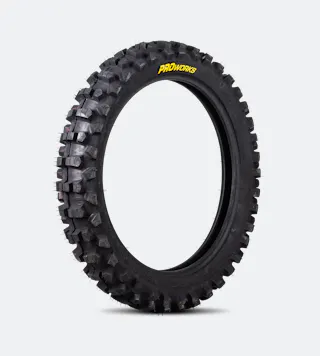
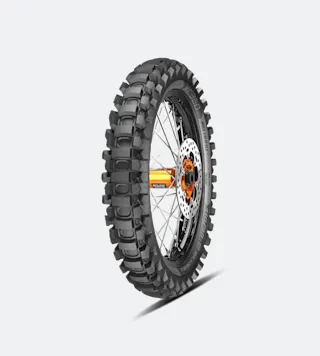
Commuter tyres are designed to strike a balance between durability, performance and cost. Most commuters want motorcycle tyres that cope well with daily riding without wearing out too quickly. Off-road and motocross tyres, by contrast, are designed for loose terrain such as mud and dirt. Their deep, widely spaced tread blocks provide excellent traction off-road, but they are far less suitable for regular road use. Despite their aggressive appearance, these tyres can feel unstable and offer less grip on tarmac than standard road tyres.
For riders who want a mix of road and off-road capability, dual-sport and adventure tyres are often the best motorcycle tyres to consider. These are usually described using ratios such as 70/30 or 50/50, which indicate the balance between on-road and off-road performance. A 70/30 tyre, for example, is designed for riders who spend most of their time on the road but still want the ability to handle occasional off-road riding.
Finally, all-season or sport-touring hybrid tyres offer a versatile option for many riders. These motorcycle tyres are often made using multi-compound construction, providing reliable grip in both warm and cold conditions. They suit riders who want consistent, year-round performance, and they usually offer good value thanks to their longer lifespan.




What to Look for in Motorcycle Tyre Tread and Rubber
Even if you have chosen the best motorcycle tyres for your needs, how you look after them plays a big role in how well they perform and how long they last. Knowing how to check motorcycle tyre pressure is especially important, as incorrect pressure can affect grip, handling and overall safety. It also has a direct impact on tread wear, often shortening the usable life of your tyres when neglected.
Beyond inflation, the performance and lifespan of motorcycle tyres are shaped by their tread design, rubber compounds and overall construction. Different patterns and materials are designed to behave in specific ways, whether that’s clearing water or coping with sustained motorway speeds. Knowing these basics will make it easier to choose motorcycle tyres that suit how and where you ride, rather than relying solely on price or brand names.
How tread patterns influence grip
The tread grooves on motorcycle tyres are designed to move water away from the contact patch, where the tyre meets the road. Different tread patterns do this in different ways, which is why some tyres perform better in wet conditions than others. Tyres that focus heavily on reducing aquaplaning do not always deliver the same level of dry-road performance, so it’s worth thinking about which conditions matter most to you. The best motorcycle tyres for dry roads, including slick or near-slick designs, offer excellent grip in the dry but lose effectiveness in the rain.
Wider-spaced tread blocks tend to work better on loose or uneven surfaces, which is why off-road and adventure tyres have a more aggressive appearance. This isn’t just for looks, but a functional part of how they generate traction. The shape and direction of a tyre’s tread also influence stability when braking and cornering. Most road riders look for dependable grip across a range of conditions, which is why non-specialist tyres are usually designed to deliver balanced, all-round performance rather than excelling in just one area.
Soft vs hard rubber compounds
Soft rubber compounds warm up quickly, which means they deliver strong grip sooner than tyres made from harder compounds. This is why softer motorcycle tyres are commonly used on track-focused or sporty road bikes, where quick warm-up and cornering grip matter more than lifespan. The downside is wear, as softer compounds break down much faster under regular road use.
Harder compounds are designed with longevity in mind. Motorcycle tyres made this way cope better with long motorway runs and are less prone to flattening in the centre, making them a popular choice for commuting and touring. They also tend to provide more predictable grip in colder conditions. For riders who experience very different weather or riding styles, keeping two sets of tyres can be a practical solution.
Multi-compound tyres and their benefits
Multi-compound tyres are designed to strike a balance between grip and longevity. These motorcycle tyres usually use a softer rubber on the shoulders to improve cornering grip, while a harder compound runs through the centre of the tyre. This harder centre section is intended to reduce wear when riding upright, which is where most road miles are typically covered.
For riders who want strong grip without sacrificing tyre life, multi-compound tyres can be a sensible choice. They are particularly popular with motorcyclists who mix commuting, touring and more spirited riding. The downside is cost, as these tyres are often more expensive than single-compound alternatives. It is also worth noting that the extra lifespan mainly comes from straight-line riding. When leaned over in corners, the softer shoulder compounds will still wear more quickly than a full hard-compound tyre.
Making the Right Tyre Choice for Your Riding
Choosing the right motorcycle tyres comes down to understanding how you actually use your bike, not how you imagine riding in ideal conditions. Riding style, typical speeds, weather, road surfaces and load all play a part, and no single tyre can excel in every scenario. The most effective approach is to prioritise the conditions you encounter most often and choose tyres that perform well there, rather than chasing maximum grip or longevity in isolation. By selecting the right tyre type and paying attention to tread design and rubber compounds, you can improve grip, stability and confidence every time you ride.

