09. 10. 2026 • 5m min. čítania
All You Need to Know About Motorcycle Gloves

Keeping your hands protected on the open road is vital. That’s why investing in the best quality motorcycle gloves is just as important as choosing the right motorcycle jacket or trousers. Your gloves should provide full protection in all weather and terrain conditions, fit perfectly, and offer maximum comfort throughout your journey. But not all motorcycle gloves are built the same, and finding the right pair means looking beyond the first ones on the shelf. Here’s what to look for when choosing your motorcycle gloves, plus how to care for them so they last through every ride.
Why Do You Wear Gloves When Riding a Motorcycle?
Your hands are the main point of contact when operating a motorcycle. That’s why choosing the right motorcycle gloves is an absolute must for keeping them protected throughout your ride. High-quality motorcycle gloves provide protection in several ways.
1. Keeps your hands and fingers safe
As mentioned, your hands are the main point of contact between your body and the motorcycle. Even a minor injury can be painful and ruin your ride, while a serious one — like losing a finger — can permanently affect your ability to ride at all. That’s why wearing good motorcycle gloves is essential. They protect your hands and fingers from cuts, abrasions and impact injuries — keeping you safe and in control.
2. Protects your hands from the weather
Motorcycle riding always carries with it a certain degree of risk, even at the best of times. These risks become even greater in poor weather conditions. Rain can make the handlebars dangerously slippery, extreme cold or heat can bring serious discomfort, and the piercing effect of strong winds can quickly numb your fingers. A high-quality pair of motorcycle gloves ensures your hands stay comfortable, warm and protected, no matter what the weather throws at you.
3. Allows for a better grip on the handlebars
Having a firm grip on your handlebars is key to keeping your motorcycle stable and in control. If your hands sweat or get wet from rain, it becomes harder to hold on securely. Good-quality motorcycle gloves should help you maintain a solid grip on long rides. They should also absorb sweat and be made from breathable materials to keep your hands dry and comfortable.
4. Reduces discomfort and numbness during rides
Gripping the handlebars of your motorcycle for extended periods can cause discomfort in your hands. Depending on the type of motorcycle, prolonged riding can increase fatigue, and constant vibrations may leave your hands feeling numb. Good motorcycle gloves help absorb those vibrations and ease the strain, especially models with hard knuckles or extra padding.
5. Motorcycle gloves look and feel great
The main reason to wear gloves is to protect your hands and stay comfortable during long rides. But a good-quality pair of gloves should also look the part and complement your overall motorcycle outfit. It's important to consider the design and material carefully to make sure your gloves perform well on the road and look just as good off the bike.

How to Choose a Motorcycle Glove
Finding the right pair of motorcycle gloves for your needs means thinking about what really matters to you on the road. Here’s what to consider when choosing the best motorcycle gloves for your ride.
Comfort and fit
Just like motorcycle boots or shoes, gloves come in all sizes, and you'll want a pair that offers a snug, comfortable fit. Loose gloves can easily slip off or bunch up, while ones that are too tight can restrict movement and cause discomfort. A well-fitting pair should cover your wrist, hand and fingers without limiting flexibility, and it should also work well with the rest of your motorcycle gear.
Weather protection
Consider the conditions you plan to ride in for your next motorcycle journey. For a warm-weather journey with plenty of sun, consider gloves that are made of a lighter material with plenty of ventilation. For long journeys in which you're likely to experience rain, wind and maybe snow, choose thicker motorcycle gloves with thermal and waterproofing properties.
On-road safety
The primary function of motorcycle gloves is to protect your hands from injury on the road. Think about the type of riding you’ll be doing — for example, racing demands different protection than long-distance touring. Whatever your riding style, make sure the gloves’ material and design meet current safety standards. Most motorcycle gloves are tested and certified to the EN 13594 standard, which has two levels of protection: Level 1 for basic protection and Level 2 for higher impact and abrasion resistance.
Style
Your riding style should guide both the look and function of your motorcycle gloves. Retro leather gloves may suit a café racer, but they still need proper protection. Sport riders often go for sleek, reinforced designs, while touring gloves tend to prioritise comfort and weather resistance. Choose a style that matches how and where you ride.
Budget
Just as motorcycle gloves come in a variety of designs, colours and sizes, they also vary widely in price. Whether you're considering a premium pair or something more budget-friendly, it's worth assessing what each glove offers for the cost. Check online reviews to see if the quality matches the price, and compare similar models to find the best value for your needs.
Outfit compatibility
The last thing to consider is how well your gloves work with the rest of your gear and other motorcycle essentials. Check the length of your jacket sleeves and decide whether you prefer gloves that tuck underneath or fit over the cuffs. Think about comfort, practicality and how well the gloves match the overall style of your riding outfit.

Types of Motorcycle Gloves
Whatever your riding style or the conditions you plan to ride in, there are several types of motorcycle gloves to choose from. Here are some of the most common options.
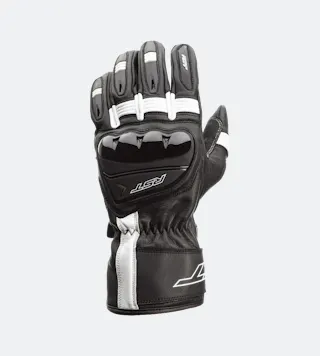
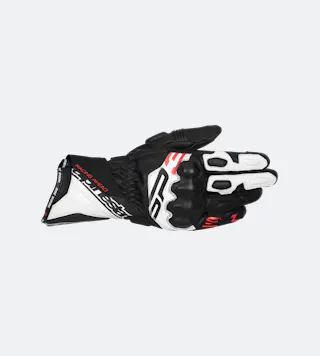
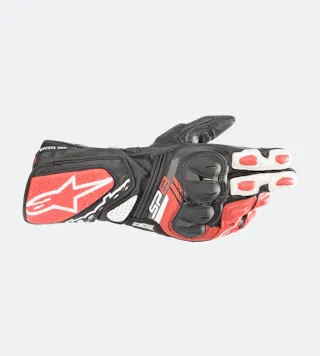
Racing gloves
Also known as sports gloves, these are designed for high-speed riding, especially on the track. They’re typically made from abrasion-resistant materials like leather and feature reinforced knuckles, padded palms, and double-stitching for added protection at speed.

Touring gloves
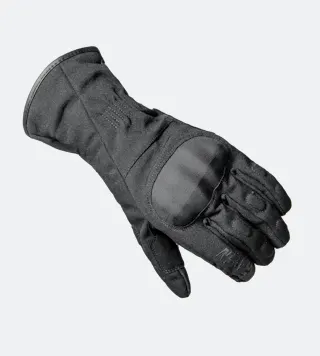
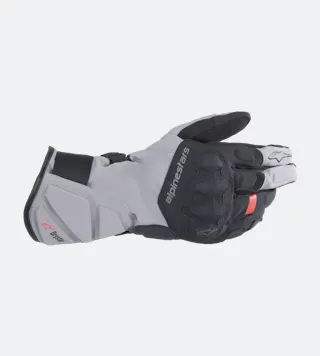
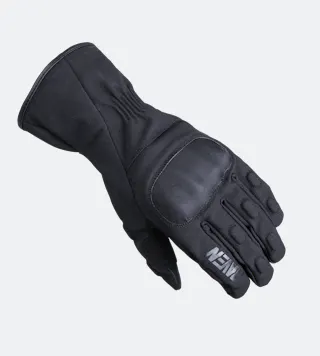
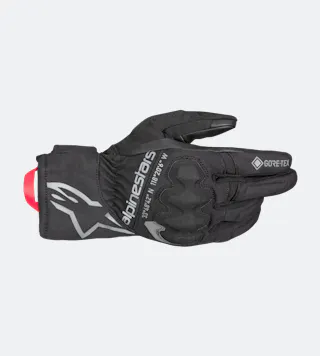
These motorcycle gloves are built for comfort and protection on long-distance rides. Touring gloves need to perform well across a range of terrains and weather conditions. They’re often insulated and waterproof to guard against cold and rain, with added padding to reduce fatigue over extended periods.
Street gloves
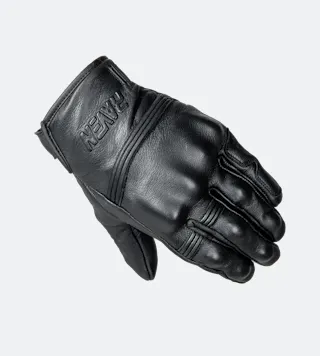
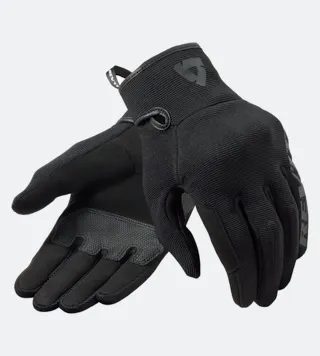
This type of motorcycle glove is popular among urban riders. Like touring gloves, they offer protection from the elements and are often both waterproof and insulated. Designed for shorter rides across town, street gloves tend to be more lightweight and flexible than touring options.

Motocross gloves
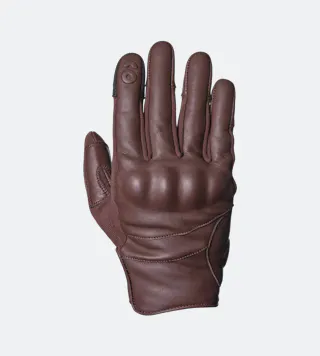
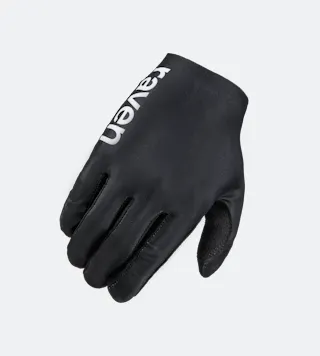
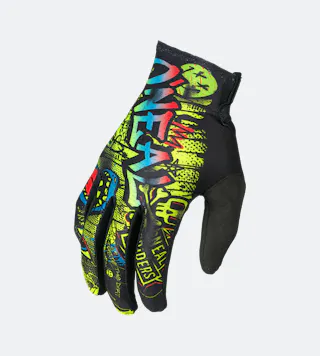
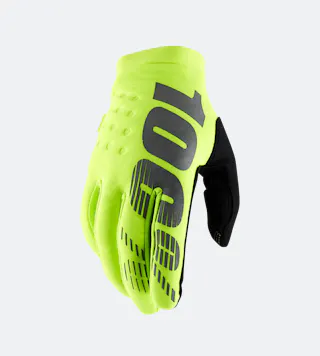
Also known as off-road gloves or dirt gloves, these are built for dirt tracks and rugged trails. Constructed from synthetic fibres and reinforced in key areas, they offer solid protection while staying lightweight and breathable. These motorcycle gloves are designed to deliver superb grip in demanding riding conditions.

Gauntlet gloves
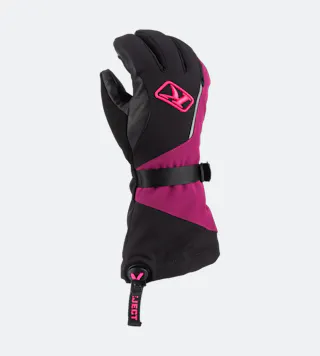
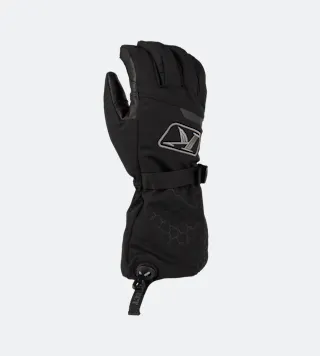
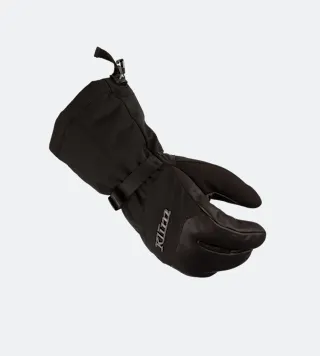
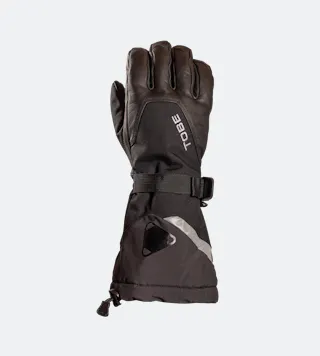
Designed for heavy-duty riding, gauntlet gloves offer some of the highest protection available. Made from thick, durable materials, they’re well-insulated and waterproof for all-weather performance. With extended cuffs that reach up to the forearm, these gloves provide extra coverage and help seal out wind and rain.

How Should Motorcycle Gloves Fit
Making sure your motorcycle gloves fit properly isn’t just about comfort. It’s also crucial for safety, protection and maintaining control on the road. A poor fit can affect your grip, limit movement or leave you exposed in the event of a fall. Here’s how to tell if the fit is right.
Fingers
The glove fingers should extend just past the tips of your fingers without leaving too much excess material. They need to be long enough to allow full mobility without stretching or bunching. To test the fit, try making a fist while wearing the gloves. If the motorcycle gloves feel too tight, you may struggle to maintain a secure grip on the handlebars. Make sure the thumb, in particular, has enough flexibility to reach all buttons and controls comfortably.
Palm
Your palm needs full mobility to maintain a firm grip and operate controls smoothly. The glove’s palm should lie flat against your hand so that you can grip the handlebars without resistance. Pay close attention to the fit around the index finger and thumb, as any bunching or stretching can affect your throttle control. Ideally, the glove should be thick enough to dampen harsh vibrations while still letting you feel the bike beneath you.
Wrist
To keep out rain, wind and debris, the wrist area should fit securely when the gloves are worn. Look for a wrist strap that closes firmly without restricting movement or circulation. Whether the closure is velcro, a buckle or a multi-strap system, it should be easy to adjust on the go. For gauntlet gloves, make sure the cuff extends over your jacket sleeve by at least 5cm (2 inches) to prevent any gaps or exposure.
What Size Motorcycle Gloves Do I Need?
Motorcycle gloves come in a full range of sizes, from extra small to extra large. However, to ensure your gloves are the right size for you, there are some factors you need to be aware of. Keep these in mind when choosing your glove size.
Measurements and charts
Most manufacturers provide sizing charts for their gloves, but these aren’t always consistent, and sizing can vary between brands or models. The best starting point is to measure your hand. Use a measuring tape to find the circumference by wrapping it around your palm, just below the knuckles. Then, measure the length from the tip of your middle finger to your wrist. Compare your measurements to the brand’s size chart, and if possible, try the motorcycle gloves on to ensure a proper fit.
Materials
The two main materials used in motorcycle gloves are leather and textile, each with its own advantages. Leather is favoured for its durability and the way it moulds to your hand over time, though it may require a break-in period. Textile gloves, on the other hand, offer a comfortable fit straight out of the box. Leather can expand or contract with changes in temperature, while textile materials generally stay consistent in all conditions. Consider which option will provide the best fit and comfort for your riding needs over time.
Breaking-in periods
Some materials, like leather, take time to break in. In these cases, it’s a good idea to choose slightly snug-fitting gloves, as they can expand by up to 10% during the first few rides. To speed up the process, wear them for rides of around 30 minutes at a time. The leather will gradually adapt to your hand and riding position. Keep in mind that different types of leather may break in at different rates, so be patient if the fit takes time to settle.

Why Do Motorcycle Gloves Have Hard Knuckles?
Hard knuckle motorcycle gloves are designed to protect one of the most vulnerable parts of your hand in a crash. Let’s take a look at why it’s worth having.
1. Added protection
While all motorcycle gloves protect the palms and fingers, the knuckles are also at risk in a crash or slide. Hard knuckle protection helps shield this area from scrapes, abrasions and impact. Since knuckle injuries can limit finger mobility, this extra reinforcement adds valuable protection for riders where it matters.
2. Better grip
For long rides on or off the road, you need motorcycle gloves that can absorb handlebar vibrations and help reduce hand numbness. In addition to being made with more absorbent material, gloves with hard knuckles are better at reducing the impact and vibrations of a motorcycle. In turn, this allows for a more secure and comfortable grip.
3. Increased ventilation
Many hard knuckle gloves come with ventilation holes, usually positioned just above the knuckles. These allow air to flow through the gloves, keeping your hands cool and reducing sweat. That extra breathability makes a real difference on long rides, especially in warm weather.
4. Trendy and cool
Originally developed for tactical use by the military and law enforcement, hard knuckle gloves have since found a place in motorcycling and other high-impact sports. Motorcycle gloves are no exception, as part of their appeal comes from the tough, tactical style. They’re functional and look sharp on the road.

How to Wash and Dry Motorcycle Gloves
Over time, your motorcycle gloves will pick up dirt, sweat and grime from the road. Salty sweat, in particular, can get absorbed into the material and speed up wear and tear. To keep your motorcycle gloves in top condition, follow these cleaning steps to remove dirt and extend their lifespan.
After each ride, remove your gloves and inspect them for dirt, stains or odours. If needed, clean them before your next ride.
Prepare a bowl of lukewarm water, add a small amount of mild soap, and have a soft brush and microfibre cloth or towel ready.
Mix the soap into the water. Avoid harsh detergents or bleach, as these can damage the glove material.
Submerge the gloves and let them soak for around 10 minutes.
Gently scrub any dirty areas with the soft brush. If you don’t have a brush, use your hands to wash the gloves gently.
Drain the dirty water and rinse the gloves with clean water. Repeat, if necessary, until the gloves are clean.
Put the gloves on and clench your fists a few times. This helps them retain their shape as they dry.
Wrap the gloves in a dry towel or cloth and gently press to remove excess water.
Unwrap the gloves once they’re no longer dripping. Avoid leaving them wrapped for too long, as trapped moisture can cause mould or mildew.
Let the gloves air-dry in a well-ventilated area. If needed, use a hairdryer on a low, cool setting, but remember to avoid direct sunlight or heat sources.
Once dry, put the gloves on and flex them to restore softness and shape.
Apply a specialised glove conditioner to enhance durability and restore finish, especially for leather gloves.
How to Stretch Motorcycle Gloves
Depending on the material, some motorcycle gloves need to be broken in before they fit properly. While regular use is the most effective way to achieve this, there are a few alternative methods that can help speed up the breaking-in process:
Apply a moderate amount of leather conditioner to your gloves as soon as possible after purchase. In hot weather, reapply every couple of weeks to keep the leather supple.
Use a small amount of rubbing alcohol on the exterior to help soften the material and increase flexibility. Always test on a small area first to avoid damage.
Apply leather oil twice a year, spreading it evenly with a soft cloth or stiff brush. This not only improves flexibility but can also extend the life of the gloves.
As an alternative to oil, use leather wax and rub it in with your fingers. This can soften the gloves and improve their weather resistance.
Use a silicone-based treatment to add water resistance. While not fully waterproof, it should offer protection in light to moderate rain.
Store your motorcycle gloves under your mattress overnight. The light pressure and warmth may help soften the material. Try them on after a few days to check for progress.
How Long Do Motorcycle Gloves Last?
With proper care, a typical pair of motorcycle gloves can last up to three years before needing replacement. Regular cleaning and maintenance help prevent them from becoming worn out or misshapen. Inspect your gloves frequently for these common signs of damage:
Visible holes in the material.
Tears in the seams, especially around impact zones.
Worn-down or missing padding in key protection areas.
Damage or thinning around the palms.
Closures or seals that no longer fasten securely.
If you notice any of these issues, your motorcycle gloves might not give you the protection you need anymore. In that case, it might be time to replace them. Need help picking the right gloves? Check out our full range of motorcycle gloves at XLMoto and find your perfect fit today.
Conclusion
Good-quality motorcycle gloves are essential for protecting your hands and maintaining a secure grip on the handlebars. The right pair should fit snugly around your hands and fingers, offer waterproofing and insulation for all-weather comfort, and use breathable materials to help reduce sweating. Always check that your gloves meet current safety standards, and clean and maintain them regularly to extend their lifespan. Your grip will feel the difference.
