18 Mar 2025 • 5m read
Motorcycle Brake Pads: All You Need To Know

Ever been out on a long ride and noticed your bike doesn’t stop quite like it used to? Or wondered if it’s time to change those motorcycle brake pads before your next road trip? Choosing the right brake pads can make a world of difference in your safety and riding experience.

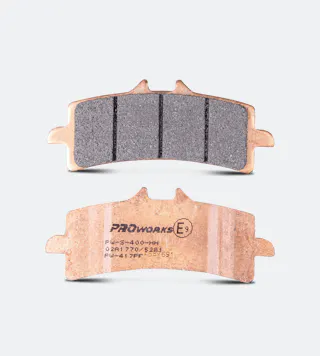


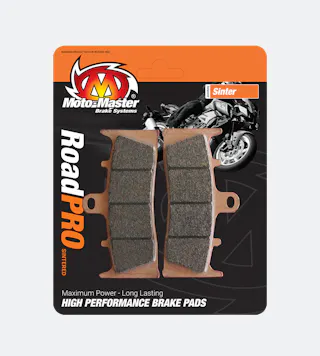

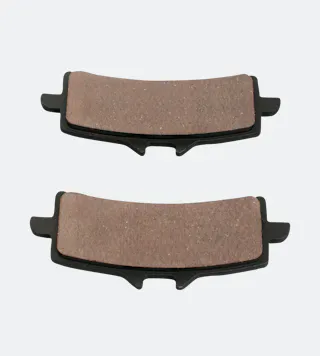
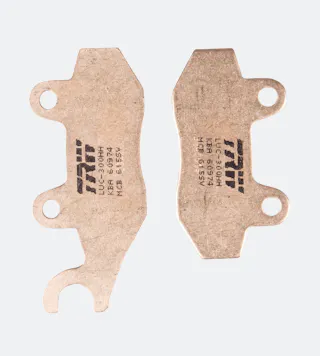

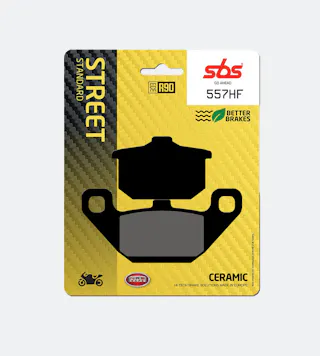
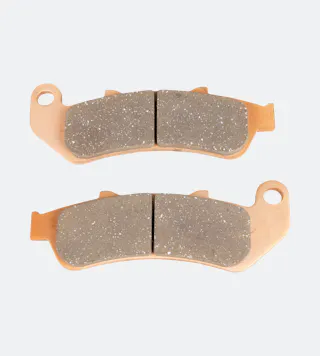
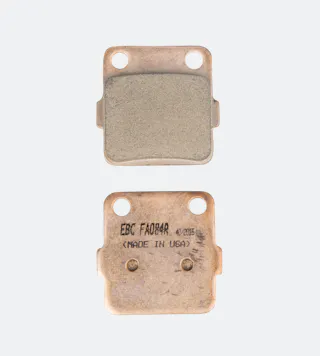

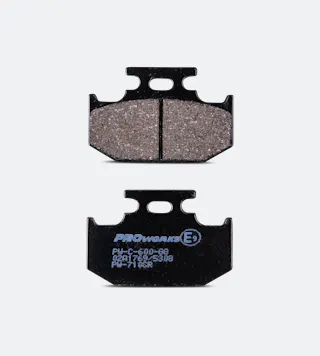


Whether you want to learn how to fit new motorcycle brake pads, discover when your current set is worn out, or simply understand brake pad technology better, this guide will help you understand everything you need to know before making your next replacement.
How long do motorcycle brake pads last?
The lifespan of motorcycle brake pads can vary significantly depending on various factors. One major determinant is the type of brake pads you use. High-quality pads often boast a lifespan up to three times longer than standard options, but for most common types, you can expect them to last between 10,000 to 20,000 miles (16,000 to 32,000 km) under typical conditions. However, this can drop significantly to around 5,000 miles or less for riders who frequently navigate urban environments with heavy traffic or engage in aggressive riding styles.
Durability, however, isn’t the only factor influencing longevity. Riding habits play a significant role since the more you brake, the quicker they will wear down. If you frequently navigate through stop-and-go city traffic, your brake pads will wear out much faster than weekend tourers cruising open country roads. Similarly, aggressive braking puts more strain on your pads compared to smoother, gradual application.
Adjusting your riding style – especially in stop-and-go traffic or urban environments– can significantly extend the lifespan of your motorcycle brake pads. Braking more evenly and planning ahead while riding can make a noticeable difference, saving you both time and money in replacements.
When to change motorcycle brake pads?
Just like tires, motorcycle brake pads need to be replaced once they wear down to a minimum thickness. In the UK, the legal threshold is 1.5 mm, but some manufacturers recommend changing the pads even earlier to ensure optimal performance. Waiting too long can significantly impair stopping power, even if the pads technically meet the legal standard.
To maintain safety and performance, it’s best to replace your brake pads before they reach their limit. Adopting a proactive approach to checking their condition can save you from unexpected issues. Frequent riders, especially those who clock up a lot of miles or tackle challenging terrain, should inspect their brake pads more regularly to catch signs of wear early.
How long should rear brake pads last on a motorcycle?
Motorcycle rear brake pads generally wear out more slowly than front brakes. This is because the front brake handles the majority of braking, especially at higher speeds where more energy needs to be dissipated. As a result, front brake pads often wear down faster. In contrast, the rear brake is primarily used for slow-speed maneuvers and stability control, placing less strain on the pads. This typically means that rear brake pads will last longer.
While it’s common for riders to replace both the front and rear brake pads simultaneously, it’s entirely possible to replace only the front ones when they wear out. This is particularly true for motorcycles with dual-caliper rear brakes, like those found on some 3-wheeled motorcycles, where the rear brake pads do less of the stopping work compared to traditional two-wheeled bikes.
Depending on your riding style, rear brake pads typically last between 10,000 to 15,000 miles. However, it’s important not to assume that rear pads will always last twice as long as front ones. Wear rates can vary over time, so it’s crucial to regularly check both sets of pads to determine their condition and replace them when necessary.
How to check motorcycle brake pads
Checking the condition of your front brake pads is a similar process to inspecting the rear ones. This is convenient since you can use the same method for all brake pads, including three-wheel motorcycle brake pads. Additionally, these inspection techniques apply regardless of the brake pad material. Whether you have ceramic motorcycle brake pads or any other type, the approach remains largely the same. With that said, there are several effective techniques for checking your motorcycle’s brake pads, so let’s walk through each one.
How to tell if motorcycle brake pads are worn
Regularly inspecting your motorcycle brake pads is essential for safety and performance. Use these methods to assess their condition:
Visual Signs of Wear: Check the brake pads for uneven wear, cracking, discoloration, or excessive thinness. If they appear damaged or too thin, they need replacement.
Brake Pad Thickness: If you cannot judge by eye whether your motorcycle brake pads have become excessively thin, use a caliper or ruler to ensure the pads are not thinner than 3 mm. If your brake pads approach this limit, you should plan to replace them soon.
Consider Braking Performance: One of the most obvious signs of brake pad wear is decreased stopping power. If your brakes are unresponsive, then it is likely that the pads are worn down or have deformed and need to be replaced.
Look Out for Brake Dust: All motorcycles see a buildup of brake dust over time. However, excessive brake dust buildup suggests significant pad wear, especially as pads near the end of their lifespan.
Inspect the Wear Indicator: Good motorcycle brake pads typically come with a wear indicator, so if you can no longer see the wear indicator groove, it means the pads should be replaced.
Noisy Braking: Squealing or grinding sounds can signal exposed backing plates or indicate an ill-fitting motorcycle brake pad. Either way, you'll need to take action to remain safe on the road.
By combining these checks, you can ensure optimal braking performance and prevent potential safety risks.
How to change motorcycle brake pads
Once you have purchased compatible motorcycle brake pads for your bike, here are the steps to follow in order to change them.

Step 1: Park your motorcycle on a flat surface and turn the engine off. Some bikes allow you to change pads without removing the front or rear wheel, but others don't. Consult your owner's manual on how to remove the wheels if necessary.

Step 2: Remove the brake caliper. You may need a wrench or spanner to release the caliper bolts. The caliper will be connected to the brake line, and it is important not to stress this while removing it. The caliper should slide off the brake rotor, allowing you access to the brake pads.

Step 3: Check how the current set of pads are fitted and take a photo, which you can refer to later on, ensuring you fit the new motorcycle brake pads the same way. Typically, you'll need to fit a left-hand brake pad on one side of the caliper and vice versa. Remove any holding clips or pins to take off the old pad.

Step 4: Use a c-clamp or water pump pliers to push the pistons of the caliper body with even pressure, using one of the old brake pads to protect the pistons if necessary. This will allow sufficient room in the caliper to fit the new, thicker brake pads.

Step 5: Insert the new motorcycle brake pads into the caliper, then refer to your photo to confirm all the pins and other housings are put back in place.

Step 6: Reattach the caliper back over the brake rotor and, using the bolts you removed earlier, secure it in place. Don't over-tighten the bolts – stick to the recommended force, something you should be able to find in your motorcycle's owner's manual.
How to break in motorcycle brake pads
Learning how to break in motorcycle brake pads is crucial for rider safety, as new pads won’t perform at their best right away. Properly breaking in motorcycle brake pads helps them achieve optimal performance and extends their lifespan by minimizing excessive wear during their initial use. On the other hand, neglecting the break-in process can lead to more than just reduced stopping power. It can cause uneven wear on the brake rotor or disc and result in excessive noise when the pads are applied.
To break in motorcycle brake pads correctly, start by cleaning your bike's brake rotors –both front and rear– to ensure good contact is possible between them and the new pads. For the first 120 miles or so, do not brake hard. Keep a safe distance from traffic and refrain from riding at high speeds during this initial break-in period. Gently applying the brakes will help ensure the pads wear evenly, contributing to their longevity.
During this time, avoid excessive heat. Prolonged braking generates heat through friction, which can negatively affect the pads and rotors. Instead, engage in controlled braking by riding at a moderate speed and gently applying the brakes to slow down or come to a stop. Repeat this process a few times, allowing the pads to cool between each braking application. This will help accelerate the bedding-in process and ensure your pads reach their optimal performance level.
What to consider when buying brake pads?
Choosing the best motorcycle brake pad replacements isn't always easy, especially if you have never done so before. Every rider has different priorities, from budget constraints to performance needs, and not all brake pads are compatible with every type of motorcycle. Of course, you might even need to purchase two pairs of motorcycle rear brake pads if you own a trike – some three-wheel motorcycle brake pads are sold for twin calipers while others aren't.
The key to making the right choice is understanding the various types of brake pads available on the market today. If you know what the main options are, you’ll be better equipped to track down the best motorcycle brake pads for your bike. Let’s take a closer look at the options to help guide your decision.
Motorcycle brake pads types
When it comes to choosing motorcycle brake pads, there are five primary technologies to consider. Each type offers its own set of advantages and drawbacks, making it impossible to declare one as definitively the best. The five main types of motorcycle brake pads are carbon, ceramic, organic, semi-metallic, and sintered.
Alongside these core options, there are also hybrid motorcycle brake pads and specialist brake pads. Hybrid brake pads combine two or more of the main materials used in manufacturing motorcycle brake pads. When assessing the best hybrid motorcycle brake pads, simply consider the pros and cons of the materials used in their construction. On the other hand, specialist brake pads are typically designed for specific purposes, such as off-roading or track racing. These pads are unlikely to concern everyday riders since they cater to very particular needs.
When weighing up which motorcycle brake pad replacements to buy, keep the following information in mind:

Organic brake pads:
These are the most cost-effective option. Made from naturally occurring fibers, they are best suited to lightweight motorcycles.

Semi-metallic brake pads:
Semi-metallic brakes are generally a little more costly than organic motorcycle brake pads, but they offer superior performance and tend to last longer before needing to be replaced.

Sintered brake pads:
Sintered brakes are durable and versatile, making them suited to most types of motorcycles and riders. Although you might pay more for sintered motorcycle brake pads, they often provide good value for money over the full course of their lifespans.

Ceramic brake pads:
These are the go-to option for minimal noise when braking. They offer strong braking performance and exceptional longevity. Generally speaking, however, they are more expensive than the other options mentioned so far.

Carbon brake pads:
Carbon brakes are the most costly option. They offer exceptional performance, especially when braking from high speeds when heat dissipation can be an issue. These types of motorcycle brake pads tend to be used on high-performance racing bikes.
Sintered vs. organic motorcycle brake pads
Among the five main types of motorcycle brake pads, most motorcycle owners will choose between sintered and organic brakes. This is because these two types are the most common ones available today. If you're trying to decide between sintered vs organic motorcycle brake pads, then these are the most important factors that set them apart.
Riding style and performance
Sintered brake pads offer superior performance in almost all areas compared to organic ones. Does this always mean they're the best motorcycle brake pads, though? The answer is no, not for every rider. Yes, sintered brake pads typically perform better in wet weather and offer superior heat resistance, but organic pads still provide more than enough stopping power in most riding scenarios.
If you have a particularly heavy or powerful motorcycle, then sintered brake pads will often help you to feel more confident when braking. However, if you own a light or mid-weight motorcycle and don't tend to ride it too fast, then organic brake pads should be more than enough for your needs. Additionally, organic brake pads tend to deliver smoother, less sharp braking and quieter operation. Owners of 1,000cc sports bikes and off-roaders, however, will typically find sintered brake pads more suited to their riding styles.
Upfront cost vs. longevity
As mentioned earlier, organic brake pads are often the most affordable option, making them an excellent choice for riders on a budget. However, when it comes to long-term value, sintered brake pads generally offer superior performance. The rate of wear on organic pads can vary depending on how frequently and aggressively you brake, meaning they may wear down faster under regular use.
On the other hand, sintered brake pads tend to last longer and provide better overall value in most riding conditions. With that said, if you’re looking for a temporary solution – perhaps because you plan to sell your motorcycle soon – organic pads might still be the more cost-effective option in the short term. Additionally, for riders who use their motorcycles infrequently or for short trips, organic brake pads could still be the more economical choice due to their lower initial cost.
Wear characteristics
As has been outlined already, organic motorcycle brake pads tend to wear down more quickly than all the other types, not just sintered ones. This fundamental wear characteristic isn't the only factor to take into consideration, however. Because brake pads wear differently when being applied, there are some other performance issues that riders should know about.
Firstly, sintered brake pads – largely because they are made from more durable materials – typically result in greater rotor wear. The harder materials in sintered pads can grind down the brake disc more quickly compared to the softer organic brake pads. Rotor wear can lead to warping of the brake disc and other performance issues, which might result in it needing to be replaced.
Another key factor to weigh up is heat resistance. If you're the sort of rider who brakes aggressively or who rides at higher speeds, then heat resistance will be a more notable factor. In short, the superior heat resistance properties offered by sintered motorcycle brake pads make them less prone to fading – or uneven braking performance – when applied. At normal speeds and when the brakes are applied normally, this difference is likely to be minimal. However, if you're into track racing, then it can be more important to take into account.
Closing tips
Every rider is different – whether you’re cruising highways, hitting dirt trails, or weaving through city streets, your motorcycle brake pads take the strain. Take a moment to think about your riding style and make a plan to keep your pads in top shape. Here are the most important things to remember about motorcycle brake pads:
Although they wear at different rates, front and rear motorcycle brake pads should be checked for wear every thousand miles or so.
If you notice intermittent braking performance, squealing or excessive brake dust, then it is time to change your motorcycle brake pads.
There are many different types of brake pads, but spending more doesn't always result in better value unless you have a particular riding style that needs to be accounted for.
Make your brake pads last longer by breaking them in and applying your brakes evenly.

