10 Feb 2026 • 5m read
Everything you need to know about motorcycle chains

Have you taken a look at your motorcycle lately and felt that the motorcycle chain is looking past its best? Perhaps there’s some wear and tear, rust, or it’s clogged with dirt. Is it too loose, or is there some deterioration along with a drop in performance? To ensure your motorbike is functioning at its best, you should try and keep motorcycle chains cleaned, tightened and lubed regularly. To help you better understand how to look after your motorcycle chain before a replacement is needed, we have provided this ultimate guide to motorcycle chains for bikers.
Why You Should Clean Your Motorcycle Chain
Keeping your motorcycle chain clean is important if you want your motorcycle to function correctly. Regularly cleaning your motorcycle chain has the following advantages:
The dirtier motorcycle chains get, the more likely they are to experience wear and tear. Keeping them clean ensures your motorcycle stays on the road longer.
Dirty motorcycle chains are less effective at transferring power from the engine to the wheels. By cleaning them, you keep your two-wheeler working in peak condition.
A dirty motorcycle chain can sometimes fail or even break, potentially putting your life at risk. Regular cleaning is therefore important for your safety.
If the motorcycle chain is dirty, it can cause more friction to occur, which reduces fuel efficiency. Therefore, keeping the chains clean will save on fuel costs.
What to Use to Clean Your Motorcycle Chain
You don't need much to create an effective motorcycle chain cleaner kit. All you need is the following:
A can of motorcycle chain cleaner
A motorcycle chain brush (or even an old toothbrush)
Cleaning rags
Gloves, goggles and coveralls (to protect against fluid splatters)
Water (either a bucket or a hose will do)




How to Clean Your Motorcycle Chain
To ensure your motorcycle chain is fully cleaned, follow these steps:
Make sure the engine is switched off and confirm that the bike is in neutral.
Place your bike upright on a stand so you have easier access to the wheels and chain.
Put on any protective gear, such as gloves, to make cleanup after the procedure easier.
Wash away any excess dirt or soil from around the chain area with water. Avoid using high-pressure equipment, as this could damage the chain.
Spray both sides of the chain with the motorcycle chain cleaner. Make sure to spray the area near the rear sprocket, as well as the side plates on each side and the rollers.
Let the chain cleaner sit for five minutes to allow it to break down the dirt and grime.
Use the chain brush to gently scrape away any remaining dirt and grime.
Rotate the wheel slightly and repeat the process with the next section of the chain.
Repeat the process until the entire motorcycle chain is clean.
Wipe away any excess dirt and cleaner with your dry cleaning rags. Consider taking it for a ride to aid in the drying process.
How Often to Clean Your Motorcycle Chain
To keep your motorcycle in peak working order, you should aim to clean your chain every 300-600 miles (500–1,000 km). If you are prone to riding in areas where a lot of dirt and mud accumulate, it may be advisable to clean your motorcycle chain more frequently.

How to Oil Your Motorcycle Chain
Oil can be used as an inexpensive alternative to traditional motorcycle chain cleaners, although it is generally not recommended as it can attract too much dirt and potentially damage your chain in the long run. However, if oil is all you have to work with, here's how you can clean your motorcycle chain with oil:
Switch off your engine and disengage the gear before touching the motorcycle chain.
Place your motorcycle upright on a stand so you have easier access to the wheels and chain.
Put on any protective gear, such as gloves, to make cleanup after the procedure easier.
Place clean rags under the chain to soak up any oil.
Pour oil into a container and soak your brush with the oil.
Apply the oil-covered brush to the chain, using it to gently scrub away any dirt.
Once you have applied the oil to the entire chain, leave it for 30 minutes.
Brush the chain again and apply more oil if needed.
Clean the excess oil off with a rag. Repeat the process if necessary.
Once clean, prepare the motorcycle for lubrication.
Why You Should Lube Your Motorcycle Chain
Once you have cleaned your motorcycle chain, now is the perfect time to make sure it is well-lubricated. Lubricating your motorcycle chain has the following benefits:
If the motorcycle chain isn't lubricated enough, it causes greater friction between the chain and sprockets. Keeping the motorcycle chain lubed reduces friction for a smoother and more efficient ride.
Without lubrication, the motorcycle chain will experience greater wear and tear. Lubrication will keep your chain working longer and delay the need for replacements.
Over time, motorcycle chains develop a buildup of moisture, dirt and grime that affect their performance. Lubrication forms a protective layer around the chain that prevents rust and corrosion from building up.
Without lubrication, the motorcycle chain is at greater risk of damage or even breakage. By lubricating the motorcycle chain, you protect yourself and others on the road.
What to Use to Lube Your Motorcycle Chain
Just like with your motorcycle chain cleaning kit, you don't need much to keep your motorcycle chain lubricated:
A can of motorcycle chain lube
Dry cleaning rags
Protective gloves, goggles and coveralls
Water for washing




How to Lube Your Motorcycle Chain
To lubricate your motorcycle chain, follow these steps:
Switch off your engine and disengage the gear before touching the motorcycle chain.
Place your motorcycle upright on a stand so you have easier access to the wheels and chain.
Put on any protective gear, such as gloves, to make cleanup after the procedure easier.
Make sure the chain is completely clean before applying the lube. Refer to the section on cleaning your motorcycle chain for further details.
Apply a small amount of motorcycle chain lubricant to the chain near the sprockets.
Keep applying lubrication to the chain and the outside of the side plates while rotating the chain once.
Rotate the chain again and coat the inside of the side plates with lubrication.
Let the motorcycle chain lube sit for a few minutes, then wipe away any excess lube with a cleaning rag.
How Often to Lube Your Motorcycle Chain
Just as with cleaning, you should lubricate your motorcycle chain every 300-600 miles (500-1000 km), depending on your riding conditions. You should also do this after every motorcycle chain cleaning session, as this will allow the lubrication to work more effectively.

How to Check Your Motorcycle Chain Tension
Much like cleaning and lubrication, ensuring your motorcycle chain has the right amount of tension is vital for its efficiency and longevity. If there is too much tension, the chain will experience greater wear and tear. Likewise, if the chain has too much slack, the chain could come loose, causing the motorcycle to lock up.
To check the tension of your motorcycle chain, do the following:
Read the owner's manual to find out what the correct amount of tension for your motorcycle chain should be.
Make sure the engine is completely switched off and confirm that the bike is in neutral.
Place your motorcycle upright on a stand so you have easier access to the wheels and chain.
Rotate the chain until you find the tightest spot. This is usually located in the midway point between the front and rear sprockets.
Use a ruler or tape measure to measure the distance between the chain and the sprocket at its lowest and highest points. Check the measurement against the specifications in the owner's manual.
Do the same measurements while pushing up on the chain, then repeat the process while pushing down on the chain.
If the motorcycle chain tension does not match the specifications in the owner's manual, follow the instructions on tightening your motorcycle chain below.
How to Tighten Your Motorcycle Chain
Adjusting chain tension requires moving the rear wheel backwards to tighten or forwards to loosen. You do this by moving the chain adjustor locknuts, which are mounted on each side of the rear wheel. If you find that the motorcycle chain is not tight enough, follow these steps:
Loosen the axle nut with a wrench.
Find the chain adjusters. These are usually small bolts near the swingarms that you can turn to increase or decrease to adjust the tension of the motorcycle chain.
Adjust the tension by turning the adjusters a quarter circle at a time. Do this for adjusters on both sides of the chain.
Once the tension is within the owner manual's specifications, measure the tension once again using a ruler to confirm.
When you are satisfied that the motorcycle chain is tight enough, tighten the axle nut back to its original position.
How Tight Should a Motorcycle Chain Be
Always check the owner's manual to determine what the correct tightness for your motorcycle chain should be. For most motorcycles, there should be around 20-30mm of slack in the chain. However, certain types of motorcycles may need more slack to function. Streetbikes may have around 30–40mm of slack, while dirtbikes often have 35-50mm of slack.
How Long Does a Motorcycle Chain Last
The average lifespan of a motorcycle chain largely depends on factors such as regular usage, ongoing maintenance, and the type of chain used. If regularly maintained, your motorcycle chain can last between 9000 and 19,000 miles (15,000 and 30,000km) without needing to be replaced. If your motorcycle chain is not maintained regularly, it can wear out a lot sooner. This can be as low as 4,000 miles (6,000km).
When to Replace Your Motorcycle Chain
During the cleaning and lubrication process, check your chain to see how much wear and tear it has sustained. If you notice any of the following, it may be time to replace your motorcycle chain:
Excessive wear and tear on the chain and sprockets.
Rust spots on any of the chain links.
The chain begins to move sideways away from the sprockets.
The chain makes a grinding or rattling sound during operation.
Less power when used, especially when heavy loads are applied.
The chain is stretched out and elongated.
The chain lifts over half a centimetre above the sprockets.
What to Use to Replace Your Motorcycle Chain
Before you break and replace your motorcycle chain, make sure you have the following motorcycle chain tools on hand:
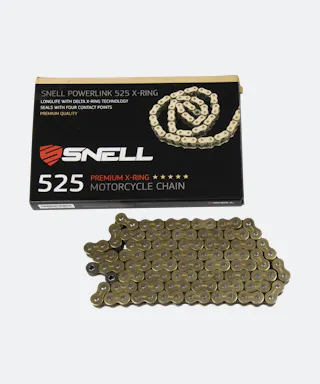
Replacement motorcycle chain (make sure you have the right size and shape)
Replacement sprockets (if needed)
Chain breaker
Riveting tool
Wrenches and/or sockets
Screwdrivers
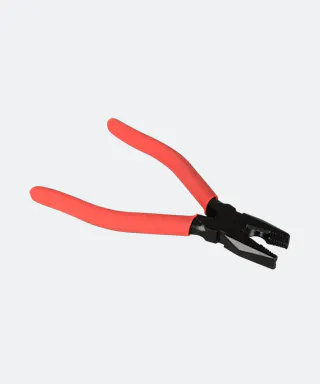
Pliers
A can of motorcycle chain lube
Dry cleaning rags
Protective gloves, goggles and coveralls



How to Break Your Motorcycle Chain
The first thing you will need to do when it comes to putting in a new chain is to break and remove the old one. To do this, follow these steps:
Make sure the engine is completely switched off and confirm that the bike is in neutral.
Place your motorcycle upright on a stand so you have easier access to the wheels and chain.
Put on any protective gear, such as gloves, to make cleanup after the procedure easier.
Use a wrench to loosen (but not remove) the rear axle for easier access to the chain.
Find the master link in the motorcycle chain.
If there is a clip holding the link together, remove it using the pliers.
If there is no clip, use the chain breaker to break it at the master link.
Gently extract the old chain from the motorcycle and put it to one side.
Remove any worn-out sprockets, if necessary, by loosening the nuts and bolts that are securing them in place.
Install the new front and rear sprockets, making sure they are properly aligned before tightening the nuts and bolts.
How to Replace Your Motorcycle Chain
Once the old chain has been removed, you are ready to replace it with a brand-new motorcycle chain. Follow these steps:
Loop the new chain around the front and rear sprockets.
Connect the master link. Apply the retainer clip with pliers if provided. If not, use a riveting tool to secure the master link.
Adjust the chain so it has the right amount of tension as specified in the owner's manual.
Use a wrench to tighten the rear axle.
Rotate the chain to ensure the alignment and movement are correct.
Lubricate the chain. Refer to the chapter on how to lube your motorcycle chain for more on this process.
Closing Tips
Keeping motorcycle chains in good working order is important, as it helps maintain the power, speed and efficiency of your motorcycle. Should the chain weaken or break, it could prevent the motorcycle from working at its best or cause it to cease functioning altogether. Keep these tips in mind regarding your motorcycle chain:
Check your motorcycle chain every 300-600 miles (500–1,000 km) for dirt, rust or general wear and tear.
Clean and lubricate your chain regularly to ensure it runs smoothly and efficiently.
Check the tension to ensure it matches the owner's manual specifications and adjust accordingly.
If the chain has sustained too much wear and tear or is stretched too far, consider replacing it as soon as possible.


