19 Dec 2025 • 5m read
How to Ride a Motorcycle in Winter

Knowing whether you can ride a motorcycle in the winter safely is important for many riders. Keep in mind that not all motorcycles are suited to cold conditions. Additionally, some bikers don't even have the right gear for summer, let alone winter riding. What it boils down to is that riding a motorcycle is something that should never be taken lightly, whatever the season. Riders should adjust their attire, riding style, as well as their bike's setup, if they want to remain safe.
Winter motorcycle riding is fun and exciting, but you need to consider several important factors, which are simply much less of a concern at other times of the year. In this guide, we provide essential tips on how you can keep safe when riding a motorcycle in cold weather, so read on to discover our do's and don'ts of cold-weather motorcycling.
Can You Ride a Motorcycle in Winter?
Yes, winter motorcycle riding is perfectly possible in most parts of the world. However, severe conditions can challenge even the best-equipped riders, so it’s often best to avoid riding a motorcycle in winter altogether in extreme conditions. Riders should always take sensible precautions and only take their bikes on the road if they are properly equipped and prepared for the journey.
Winter motorcycle riding isn't simply about dealing with the cold. After all, everyone knows they need to wrap up properly to ensure they remain comfortable in sub-zero temperatures. Riding in winter isn’t just about braving the cold—it’s about mastering the more demanding road conditions that come with it.
Prep your bike for winter
For many motorcyclists, that means making sure bikes are properly winterized to cope with the cold. For example, switching to winter tyres is a smart move if you plan to ride in locations where snow and ice will be regular features on the road.
Winter motorcycle gear
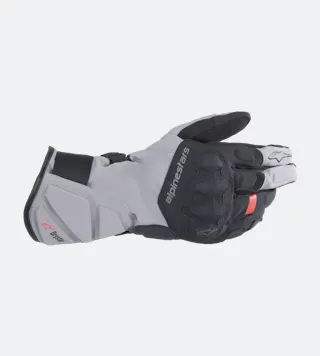
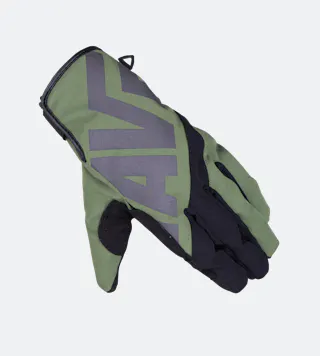
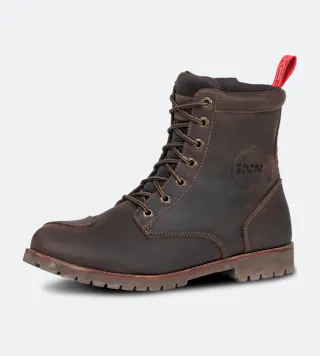
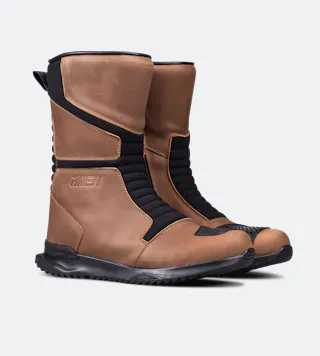
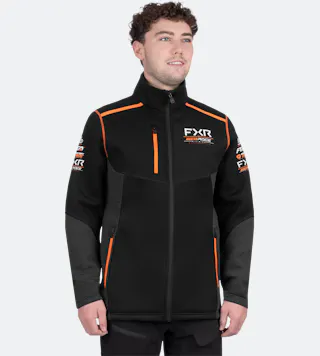
Wearing the right winter clothing and motorcycle gear is also important. Waterproof jackets that have thermal linings or winter riding boots that extend up the leg are also more common in the winter than in summer.




Winter riding mentality
Besides preparing your bike for winter motorcycle trips, take note of the mental adjustments you should make. In some cases, this simply boils down to taking more care on icy roads that might have hidden dangers. Never assume that you can continue riding the same way as you do in summer, simply because you are wearing winter motorcycle clothing. Additionally, the right mental approach to riding a motorcycle in winter should also include a willingness to admit when not taking your bike out is the best option.
Despite the additional considerations that winter motorcycle riding requires, it can be a rewarding thing to do. In winter, you sometimes get to experience quieter roads, which can make motorbiking a more enjoyable experience.
Is It Safe to Ride a Motorcycle During Winter?
Taking additional precautions when riding a motorcycle in winter is always a good idea. However, as with any mode of motorized transport, taking precautions can never make it 100% safe. Of course, that doesn't mean winter motorcycle riding is unsafe. In fact, the kinds of risks to riders and other road users are just the same in summer as in winter. After all, riding over a slippery surface and taking a corner too fast are dangers that you can experience at any time.
It is a simple fact, however, that such risks are more pronounced in winter than at other times. Lower temperatures, more ice, reduced visibility from falling snow or more dark hours, and so on, all generate more risks for motorcyclists. Therefore, all you can really do as a rider is to mitigate these increased risks, which you can do by placing greater focus on precautions and countermeasures to prevent accidents.
Riders should not approach winter motorcycle riding as an inherently hazardous activity, one that requires the need to be reckless in some way to overcome its challenges. Instead, it is about making a potentially problematic set of conditions as favourable as possible.

Tips for Riding a Motorcycle in Winter: Do's and Don'ts
Because wintry conditions vary, depending on location, there are no hard-and-fast rules when it comes to cold-weather motorcycling. For instance, the low temperatures of a January evening in North America will be very different to early November in, for example, Southern Europe. There again, winters on high ground may be very different from a rider's perspective, compared with winter motorcycle riding in less exposed locations.
Nevertheless, there are some things you will need to consider as general do's and don'ts whenever you want to ride your bike in the colder winter months. So, if you're reading this in winter and are wondering, should I ride my motorcycle today, then factor in the following tips before you get on your bike.
Cold Weather Motorcycle Tips: 6 Things to Do
Handling a motorcycle in winter takes a lot more thought. Unlike summer, winter riding brings reduced visibility, lower traction, and colder temperatures. Here’s how to stay safe and comfortable when motorcycling in winter.
1) Do Adjust Your Riding Attire
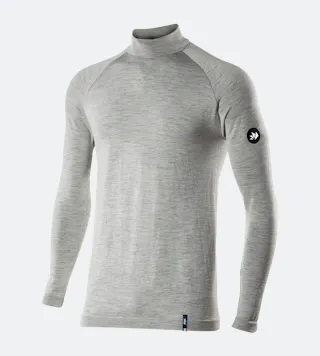
If it is colder when you are planning to ride your bike, then layer up accordingly. Even if you feel comfortable at the start of your ride, the temperature may continue to drop, so be prepared to add further thermal insulation. At the same time, make sure you don’t overheat—comfort and flexibility matter, too. Opt for moisture-wicking base layers so that you're comfy on the bike and your movements feel unrestricted. If you are riding a motorcycle during winter and the temperatures drop below zero, then consider the merits of heated garments, such as vests and boot insoles, which will help you to keep riding when it might otherwise be unsafe to do so.
2) Do Check Tyre Pressure Before Riding Rubber compounds can harden when the temperatures drop in midwinter.
That means your bike's tyre pressure could be out of kilter without you realizing it. As tyre pressure drops faster in cold weather, check it more frequently in winter, including before every ride. It is also a good thing to regularly check your tyre tread when riding motorcycles in winter, especially since you want all the grip you can get from your bike.
3) Do Ensure Helmet Visibility Is Optimized Check out the latest technologies with anti-fog visors
These are a game-changer for motorcyclists who want to ride year-round. Never allow your vision to be compromised due to fogging inside your helmet's visor. As a less expensive alternative, you can use anti-fog sprays to help you see the road. Additionally, look for Pinlock inserts, too. These systems create a double-glazed layer for your helmet, which prevents your breath from forming condensation on the visor.
4) Do Warm Your Motorcycle Up When it is cold, throttle response can be compromised
When riding a motorcycle in the winter, give your bike a few minutes of idling time before setting off. This will allow the oil to circulate, which, in turn, will improve the responsiveness of your bike. This simple step can make a big difference when riding a motorcycle in cold weather, and it is something that not all riders sufficiently appreciate.
5) Do Adjust Your Riding Style for the Conditions
Knowing how to ride a motorcycle in winter really means understanding how the weather affects the tarmac. Simply put, if it is snowy or icy, you should slow down and take more care when cornering. Cold tarmac offers road users of all kinds of less grip. Double your usual following distance in winter—slippery surfaces significantly increase braking times. Consequently, you should take corners more slowly, even if the road is dry. Apply your bike's throttle more evenly and consistently, too. The angle at which you lean and how hard you apply your brakes should all be adjusted to the temperature, not just to how greasy the road surface happens to be.
6) Do Take Steps to Improve Your Visibility to Other Road Users
Due to fewer daylight hours, being visible in winter is even more of a priority for motorcyclists than it is at other times of the year. High-visibility garments and reflective surfaces are a must, not only when it is dark but also during prolonged twilight hours when it is harder to see. Remember that bikers are even harder to spot when it is snowing. Reflective snow can dazzle other road users, so it is always better to be as visible as possible, just in case the weather takes a turn for the worse.
Cold Weather Motorcycle Tips: 5 Things to Not Do
When riding a motorcycle in winter, you should be prepared to turn back if the conditions worsen. This is something that applies to all road users, not just motorcyclists. Beyond taking a sensible approach to whether or not you should ride at all, here are five things to avoid when motorcycle riding in winter.
1) Don't Assume the Road Conditions Are What You Think
When riding a motorcycle in the morning hours of winter, it might seem as though the road conditions are benign. Once the sun rises high enough, it may look like the snow has melted and icy patches are no longer present. However, never assume this is the case. Black ice can lurk in shaded places, so proceed with due caution. When riding a motorcycle in winter, fallen leaves can be slippery and even conceal problems on the road. That means you need to take care, especially when riding on unfamiliar tree-lined roads.
2) Don't Overly Rely on Summer Tyres
Summer tyres are less pliable and offer less grip in colder temperatures. All-round tyres might be sufficient for most winter conditions, but not if you intend to ride over high or exposed ground. Depending on where you live, fitting a pair of winter tyres might be the best option. After all, you can always switch back to all-season or summer tyres in the spring. If you use conventional tyres in the winter months, be sure to adjust your riding style accordingly, with more space for braking and lower speeds when cornering.
3) Don't Overly Rely on Your Bike's Brakes
ABS braking systems on modern motorcycles are great, but they may give some riders a false sense of security. Even the best motorcycle brakes can't bring you to a halt safely if the road surface doesn't offer sufficient traction. ABS brakes can be of tremendous help, but taking a more progressive approach to braking is better, especially when the risk of skidding is higher. This will occur more in winter, not only through ice on the road but also the increased likelihood of a slippery road due to rainfall.
4) Don't Ride Out Without Checking Your Gear Is Winter-Ready
The first cold day of winter can see you reaching for your thermal liners and other cold-weather gear. However, if you didn't maintain your jacket or motorcycle pants the last time you rode out, you might find they're not up to the job. It is, therefore, better to check your riding gear in the run-up to winter. That way, you can make any repairs or replace faulty equipment before winter comes knocking. Weatherproofing your boots and jacket before the weather starts to become less pleasant is a smart move, too. After all, you don't want to be caught out on a cold, wet bike in midwinter.
5) Don't Ride As You Normally Do When Conditions Alter
Safely riding a motorcycle in winter means being ready to deal with changing weather conditions. Not only does it get dark quicker in winter, but you're more likely to face foggy riding conditions and even blizzards if it starts snowing. Remember that how it is when you first set out might not be the same as when you arrive. Since changing weather brings increased risks for all road users, especially bikers, be prepared to adjust your riding style in the middle of a journey. Reduce your speed, limit sharp turns, and plan for longer stopping distances.
Can You Ride a Motorcycle in Snow?
In most cases, riding a motorcycle in snow is best avoided. Snowfall makes it very hard to focus on the road ahead through your visor. When moving forward through falling snow, lights can create a dazzling effect. If this happens, it is better to pull over somewhere safe and wait for the flurry to pass before continuing. Remember that the chances of other drivers not seeing you on the road increase during periods of snowfall, even if your bike's lights are in full working order.
Additionally, once the snow has settled, it can be even more problematic. If you want to venture out on settled snow, consider the merits of winter tyres, which are much better at handling snow on the road. If you do decide to head out, then stick to roads that have been gritted or, at least, ride only on partially cleared roads.
Riding over virgin snow is often the trickiest for motorcyclists since it is impossible to determine what lies beneath. If your tyres cut through the snow only to make contact with ice, you can very easily lose control. Inexperienced riders will often also find that riding on fresh snow is extremely demanding, as they have to adjust their riding style—including their gear selection—to the point where handling the bike becomes too much of a challenge.
Some sports bikes or those fitted with studded tyres can handle snow more effectively. However, this doesn't mean they'll be any better if they encounter ice or compacted snow. Overall, riding in snow is best avoided whenever possible. If you have to head out, then wait until the roads have been gritted to give you the best chance of maintaining control. More importantly, reduce your speed and exercise the greatest degree of caution whenever you ride in snowy conditions.
Can You Ride a Motorcycle in Icy Conditions?
Riding a motorcycle in snow is problematic and best avoided whenever possible. Snow, even when it's melting and turning into slush, reduces grip and makes cornering more difficult. Ice is even worse from a motorcyclist's perspective. This is because ice virtually wipes out traction. As a result, even if you apply your brakes slowly and are assisted by technologies such as ABS, you can lose control of your bike in the blink of an eye.
What's more, icy road conditions are harder to deal with than snow because ice is harder to spot. Patches of snow on the road give you an indication of where to avoid. Windswept snow on one side of the road will often show you where the least traction on the tarmac is likely to be. Ice, especially black ice, which you often don't see until it is too late, can make safe riding all but impossible. This is why it is a good idea to check a nearby road for black ice before venturing further out on your bike. If you detect any, then find alternative transport or stay put for a while.
If you hit a patch of ice when winter riding, staying calm is the best advice. Jerky movements and rapid corrective movements can make the loss of control worse. Don't hit the brakes hard. Instead, ease off the throttle, try to keep the motorcycle upright, and then apply the brakes slowly. Don't steer hard, but ease the bike in the safest direction you can without over-correcting your movement.
What's Too Cold to Ride a Motorcycle?
Even if you have thermal-lined motorcycle clothing, some temperatures are just too severe for motorcycle riding. Anything below 0°C (32°F) means that there could be black ice on the road and, therefore, avoiding unnecessary riding is advisable. Bear in mind, too, that the wind-chill factor associated with motorcycle riding in winter makes it feel considerably colder on a motorbike than it would on foot.
For some riders who don't have, for example, thermal pants or heated footwear, the cut-off point for taking a motorcycle out will be around slightly higher than freezing. This is especially the case if it is also windy outside, as the chill factor can be even more pronounced. Check your bike's tyres for their lower operational limit, and don't be tempted to head out in winter conditions below that limit. Doing so can contribute to a lack of responsiveness, something you won't want to experience at any time of the year, especially in winter.
Conclusion
Riding motorcycles in winter is possible, so long as you follow the right advice. It takes experience and skill to master riding a motorcycle in winter, so proceed with short, manageable trips on familiar roads when first heading out in winter. Build up your confidence, but don't become too sure of yourself. Caution is always advisable when riding in winter, no matter how experienced of a rider you are.
These tips will help you prepare for safe and enjoyable winter riding. With the right gear, mindset, and bike setup, cold-weather motorcycling can be just as rewarding—if not more so—than summer rides. Stay safe, stay warm, and keep riding!


