02 Oct 2026 • 5m read
Types of Motorcycle Batteries

Time to replace your battery? The next question is often which one to choose. With several types of motorcycle batteries available, the right option depends on your bike’s specifications, how you use it, and the environment you ride in. This guide breaks down the main motorcycle battery technologies and explains how each one works. Understanding the differences makes it easier to choose a battery that suits your bike and helps avoid compatibility issues. Read on to learn about the four main types of motorcycle batteries, where they work best, and where they might not be right.
What Are the Main Motorcycle Battery Types?
If you’re replacing a worn motorcycle battery or want to better understand the different types of motorcycle batteries available today, it helps to know how they compare. Battery technology affects things like maintenance requirements, lifespan, and how well a battery matches your bike’s electrical system. If you also need guidance on fitting a new battery, XLMoto’s article on how to replace motorcycle batteries explains the process step by step. Below is an overview of the main types of motorcycle batteries and what sets them apart.
Overview of Modern Battery Technology
Lead-acid motorcycle battery technology has been the industry standard for decades. As riders began to expect more from their motorcycle batteries, newer types of motorcycle batteries started to appear. Sealed battery designs were introduced to reduce the risk of leaks, with gel batteries being one of the earlier examples. Building on this sealed approach, absorbent glass mat (AGM) batteries were developed.
AGM batteries are fully sealed and are known for improved reliability, better vibration resistance and lower maintenance requirements. The most recent major step in mass-produced motorcycle battery technology is the lithium-ion battery. These focus on weight reduction, which makes them popular with sport and off-road riders. They also stand out from other types of motorcycle batteries due to their faster charging capability compared to older technologies.

How to Know Which Type Your Bike Uses
Our guide on choosing the right motorcycle battery can help you narrow down one for your bike. It covers the main considerations for different bikes and riding styles, and explains how various battery types compare in real-world use. This can be a useful starting point if you are unsure where to begin.
Of course, the most important source of information is still your owner’s manual. It will tell you the correct voltage and capacity required, as well as which types of motorcycle batteries are compatible with your specific ride. Some newer bikes are designed to work with more than one battery technology, while older models are often limited to a narrower range of options.
Even if your motorcycle supports multiple types of motorcycle batteries, it is still essential to check the physical size of the battery, the terminal layout, and other technical specifications. Overlooking these details can lead to fitting issues or electrical problems later on, even when the battery type itself is technically compatible.
Lead-Acid Motorcycle Batteries
Lead-acid batteries remain common due to their relatively low cost and broad compatibility with many motorcycles. Still the most widely used motorcycle battery type, they are a familiar and practical option for riders who prefer a tried-and-tested battery technology.
What They Are
Lead-acid batteries use a liquid electrolyte along with lead plates to store and release energy. Because the electrolyte is liquid, these batteries must be stored and fitted upright to prevent leaks. In some cases, this type of motorcycle battery is supplied dry. If so, it needs to be filled with acid before being used for the first time.
Pros and Cons
The main reason many riders continue to use lead-acid batteries is their low cost and wide compatibility, especially with older motorcycles. On the downside, they usually require more regular attention than other types of motorcycle batteries. Voltage levels may need checking more often, particularly if you mainly ride short distances where the battery has limited time to recharge. Some lead-acid batteries are also more vulnerable to vibration, which can increase the risk of damage or leaks. In certain cases, topping up the electrolyte may also be necessary if fluid levels drop.
Best Use Cases
Lead-acid batteries are often a sensible choice for older motorcycles with simpler electrical systems, where newer battery technologies may not be supported. They can also suit riders working with a tighter budget, as they usually involve the lowest upfront cost. The extra maintenance is less of an issue for owners who are comfortable carrying out regular checks and basic upkeep on their bike.
AGM (Absorbent Glass Mat) Batteries
AGM batteries are a sealed development of traditional lead-acid motorcycle battery technology. They are now commonly used as standard equipment on many modern motorcycles, as manufacturers have increasingly moved away from conventional flooded batteries. Designed to be maintenance-free, AGM batteries also offer improved durability and more consistent electrical performance.
How AGM Batteries Work
Unlike traditional lead-acid motorcycle batteries, AGM batteries use fibreglass mats between the lead plates to absorb the electrolyte. This design allows the battery to be fully sealed, which greatly reduces the risk of acid leaks or spills. Because the electrolyte is held in place, AGM batteries are not restricted to a strictly upright position. Bike manufacturers appreciate this, as it gives them more flexibility when designing battery placement.
Advantages
AGM motorcycle batteries generally provide much better resistance to vibration than standard flooded lead-acid batteries, which helps improve longevity. They do not require electrolyte top-ups, so routine maintenance is limited to occasional checks and terminal cleaning. AGM batteries also tend to have a lower self-discharge rate, making them a good option for motorcycles that are stored for longer periods. Cold-start performance is usually stronger as well, which can be noticeable in cooler weather.
When to Choose an AGM Battery
For many riders, AGM motorcycle batteries offer a strong balance between cost, reliability, and ease of use. They work particularly well on modern motorcycles that are not fitted with highly demanding electrical systems. If you want a dependable, low-maintenance motorcycle battery for everyday commuting or frequent touring, an AGM battery is often a sensible choice.


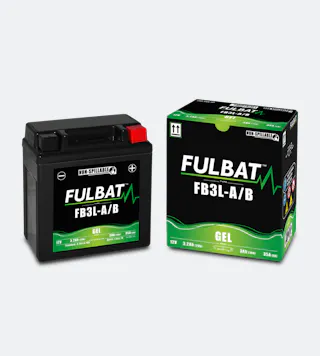
Gel Motorcycle Batteries
Gel batteries are similar to AGM batteries in that they use a sealed construction and do not contain free-flowing liquid acid. The main difference is that this type of motorcycle battery uses a gel-based electrolyte rather than the absorbed electrolyte found in AGM designs. As a result, gel batteries are less common for everyday riding and are usually fitted to motorcycles with charging systems designed specifically to support them. One important thing to note is that gel batteries have more sensitive charging requirements than some other motorcycle battery types, which can limit their compatibility on certain bikes.
Key Features
Instead of liquid electrolyte, gel batteries suspend the electrolyte in a thick, gel-like substance. Because it does not move freely inside the battery, the risk of leakage is extremely low. For this reason, gel motorcycle battery technology is often seen as one of the most leak-resistant options available. They also cope well with deeper discharge cycles compared to some traditional battery designs.
Benefits and Limitations
High resistance to leakage and good durability under vibration make gel batteries appealing from a safety perspective, especially on motorcycles exposed to rough road surfaces. However, these benefits come with trade-offs. Gel batteries are more sensitive to overcharging than other battery technologies. They are also less forgiving if charged at the wrong voltage, so the charging system must be well-matched to this motorcycle battery type.
Ideal Conditions for Gel Batteries
Gel batteries tend to suit riders who experience steady riding conditions rather than frequent short trips or high electrical loads. If your motorcycle has a modern, compatible charging system and you do not rely heavily on accessories or high power draw, a gel motorcycle battery may be a suitable option. They are often chosen by riders who prioritise long-term stability over outright starting performance.
Lithium (Li-ion) Motorcycle Batteries
The final motorcycle battery type to consider uses the same core technology found in many laptops and smartphones. Lithium-ion batteries are significantly lighter than all other motorcycle battery options, which is their main appeal. When fitted correctly and supported by a compatible charging system, they can deliver very strong performance. Compatibility is critical, however, and lithium-ion batteries should only be fitted once you've confirmed that their specifications match your bike’s electrical system.
How Lithium Batteries Differ
Lithium batteries do not use lead plates or liquid acid. Instead, electrical energy is stored within lithium cells, which offer a much higher energy density than traditional electrolyte-based designs. This allows lithium-ion batteries to be considerably smaller and lighter while still delivering strong starting power. Most lithium motorcycle batteries also include a built-in battery management system, which helps regulate charging and protects the cells during operation.
Pros, Cons and Safety
Lithium batteries typically come with a higher upfront cost than other types of motorcycle batteries and require a compatible regulator and charging setup. Incorrect charging can damage the battery, so attention to specifications is important. On a positive note, their low weight makes them great for performance riding, and they recharge quickly while providing strong cranking power. The lack of liquid acid also reduces the risk of leaks, which most see as an added safety benefit.
Who Should Use Lithium Batteries?
Lithium-ion batteries are often chosen by riders who prioritise weight reduction, such as off-road riders or those who enjoy track days. If reducing weight is a key goal and your bike is fully compatible, a lithium-ion motorcycle battery can be an effective choice.

Comparison of Battery Types
Now that you know the four main types of motorcycle batteries, let's compare how they perform across a few key areas.
Performance and Power Output
In terms of size and weight, lithium-ion batteries deliver the strongest cranking power and recover voltage quickly after starting. AGM batteries generally come next, performing well in colder conditions and offering reliable starting power. The next runner-up is gel batteries, with lead-acid batteries bringing up the rear. It's also worth mentioning that lead-acid batteries tend to lose output more noticeably as they age. If performance starts to drop, learning how to charge your motorcycle battery can help restore output where possible.
Lifespan and Maintenance
Of the different types of motorcycle batteries, lithium-ion batteries usually offer the longest lifespan and require very little ongoing maintenance. AGM batteries are also mostly maintenance-free and last longer than many gel battery alternatives. Gel batteries generally sit in the middle, offering better longevity and lower upkeep than lead-acid batteries. Traditional lead-acid motorcycle batteries tend to have the shortest lifespan and require the most routine checks and maintenance.
Price Differences
Lead-acid batteries are usually the most affordable option, which explains their popularity despite their limitations. Gel and AGM batteries typically sit in the middle of the price range, with relatively small differences between them. Lithium motorcycle batteries are the most expensive, but their reduced weight and higher performance can make the extra cost worth it for many riders.
Weight and Efficiency
Lithium-ion batteries are by far the lightest and offer the best efficiency in terms of weight-to-power ratio. AGM batteries follow, providing solid performance with less weight than traditional designs. Gel batteries come next, provided they are charged and correctly matched to the motorcycle. Lead-acid batteries are the heaviest types of motorcycle batteries and offer the lowest power output relative to their weight.

How to Choose the Right Battery for Your Motorcycle
Choosing a replacement motorcycle battery can feel confusing, especially with several battery technologies available. If you want a more detailed breakdown, check out XLMoto’s Ultimate Guide to Motorcycle Batteries. For a quick overview, these are the main factors to consider when deciding which battery type is right for your bike.
Compatibility Checklist
Before fitting a new motorcycle battery, always check the manufacturer’s specifications in your owner’s manual. The battery needs to work with your bike’s charging system and regulator, but it also has to fit properly. Size, terminal position and mounting orientation all matter. If you’re riding an older motorcycle, a traditional lead-acid battery is often the safest choice.
Riding Style Considerations
Think about how you actually use your bike. For instance, if you mainly do short trips or frequent starts, it makes sense to look for a motorcycle battery that offers strong cranking power and recovers quickly. If you’re more into touring or long-distance trips, then lifespan and low maintenance might be more important. Lightweight options, including lithium-ion batteries, are a good fit for track riding and enduro, where keeping weight down really matters.
Climate and Temperature Factors
Some types of motorcycle batteries handle cold conditions better than others. If you ride in colder climates, batteries with strong cold-start performance are worth looking into, and AGM batteries are often a good fit. Low self-discharge batteries are a good option for bikes ridden only seasonally. Gel batteries generally cope better in warmer conditions and are less ideal for cold-weather riding.


