22 Jan 2026 • 5m read
Route 66 Road Trip: The Ultimate Guide

Have you ever thought about motorcycling on one of the world's most iconic road trips? If so, the chances are that you will have at least considered riding Route 66, perhaps the most famous road in North America, if not the world. A Route 66 road trip is the pinnacle for many bike owners, offering a great deal of diversity on the way, not to mention a long and satisfying ride of some 2,448 miles from Chicago, Illinois, to Santa Monica on California's Pacific Coast.
Why Route 66 is a Bucket-List Ride for Bikers
In short, there are few journeys you could make by bike that can live up to the thrill of embarking on a Route 66 road trip. The route has become synonymous not only with the open roads of America but also with the idea of freedom of movement. The song '(Get Your Kicks on) Route 66' may have been written in 1948, but thanks to the many cover versions released over the decades, planning a Route 66 road trip still holds meaning in popular culture.
The road has featured in countless movies, novels, TV shows and biker magazines. As such, even iconic road trip routes for motorcyclists, such as Australia's Great Ocean Road, the Trans-Canada Highway and Norway's Atlantic Ocean Road to the North Cape, often don't compete with a Route 66 road trip.
For many riders, a Route 66 road trip is a once-in-a-lifetime goal, especially for those from outside the US. The iconic road offers a rare opportunity to enjoy motorcycling in its purest form. But what does planning a Route 66 road trip actually involve? Are there pitfalls to watch out for? Do you need to approach it a certain way to get the most out of it? All these questions and many more about the world's most famous road trip route will be answered in our complete guide.
8 Tips to Follow on a Route 66 Road Trip
There’s no right or wrong way to take on a Route 66 road trip. However, there are a few things you should do, and a few you’re better off avoiding. Here’s our list of dos and don’ts for a successful motorcycle journey:
1. Don't Be Inflexible
It’s great to plan out any road trip. In fact, part of the pleasure lies in making those plans in advance, sketching out each leg. But being too rigid can mean missing out on the best parts of a Route 66 road trip. If you come across something unexpected that catches your interest, just go with it and enjoy the detour.
2. Do Consider the Season
If you hit Arizona or mid-Texas in high summer, expect 40°C or more during the middle of the day. Don’t underestimate how draining this kind of dry heat can be. Keep your riding to early mornings and evenings, or better still, avoid midsummer road trips altogether for a more comfortable journey.
3. Do Take Proper Touring Gear
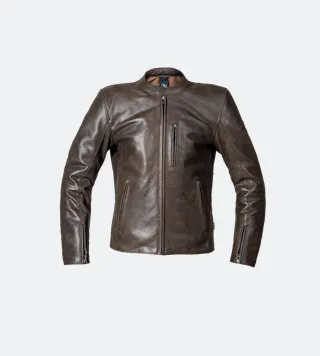
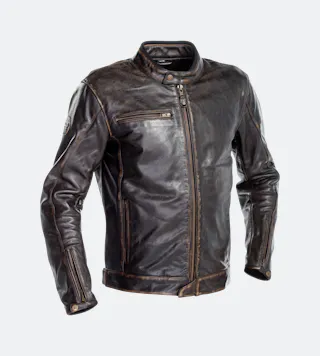
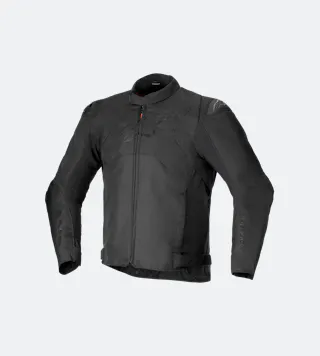
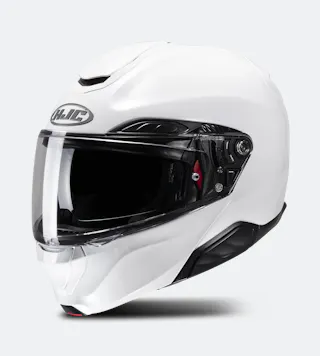
If you’ve never toured on your motorcycle before, make sure you’re properly prepared with weatherproof and protective kit. Commuting on a motorbike won’t equip you for everything you’ll face on a long road trip. Take a look at our guide on affordable all-weather touring gear for tips on what to pack and wear comfortably.
4. Don't Forget to Fuel Up
Route 66 may be dotted with towns and cities along the way, but there are also long stretches where you won’t come across much civilisation or service stations. Keep an eye on your fuel gauge and, if you’re unsure whether to stop, fill up your bike while you can, just to be safe.
5. Do Support Local Businesses
Many of the diners, motels and roadside shops along Route 66 make their living from passing trade and road trip traffic. Help keep the spirit of the journey alive by supporting local businesses whenever you can, and skip the chains if there’s a smaller option nearby worth visiting.
6. Do Pay Attention to the Road Surface
Route 66 isn’t part of the Interstate system everywhere, so the surface can be inconsistent depending on local repairs or age. Don’t assume the road ahead will be smooth and evenly paved. Always keep an eye out for fissures, potholes and crumbling edges that could cause trouble, especially for those riding two wheels.
7. Don't Remove Signage
Grabbing something from the side of the road as a souvenir might seem like a good idea, but it seldom is and can ruin the site. Not only might you get in trouble with local law enforcement, but you also need to remember that many of the famous Route 66 signs have been fitted by local volunteers and preservation groups who care for the road.
8. Do Consider Festival Dates
If you ride into town during a Route 66 festival, you might struggle to find anywhere to stay the night, with even campsites filling up fast. Check your itinerary before you hit the road, and consider booking a motel in advance if you're likely to pass through when local events are on.

A Brief History of Route 66
Route 66 has played many roles over the last century, from migration lifeline and economic driver to pop culture icon and nostalgic road trip favourite. Its transformation from a patchwork of regional roads into one of the world’s most recognised highways is almost as fascinating as riding it.
The origin and rise of Route 66
There was a time when planning a Route 66 road trip would have been impossible. This is because it was only commissioned in 1926, later than many people imagine. Before then, much of the route was already in place, but it consisted of disconnected roads maintained by counties and local authorities.
As a result, some sections were well maintained while others were little more than regional dirt tracks. It was only after the Federal Highway Act of 1921 that government funding began to standardise and improve the national road network. That paved the way for Route 66 to be developed into a continuous road linking the great northern city of Chicago to California.
The Depression years and cultural impact
In the 1930s, as the United States — and much of the western world — faced the Great Depression, Route 66 began to earn its iconic status. Families affected by the Dust Bowl harvest failures used the road to head west in search of work. For many, it echoed the pioneer journeys of a century earlier. John Steinbeck captured this spirit in his Depression-era novel, The Grapes of Wrath, famously calling Route 66 “The Mother Road.”
In the post-war years, Route 66 became a vital economic link. Truckers used it to move goods, while everyday Americans took to the road for vacations and adventure. Diners and motels sprang up along the route, many of which still serve today's Route 66 road trippers. By 1960, the road's popularity had grown so much that it even inspired a TV series named after it.
Preservation and the modern Route 66 experience
In the 1980s, interstate highways were becoming the quicker alternative to roads like Route 66. By 1985, Route 66 was officially decommissioned as a highway, though much of it remained drivable. Even so, its iconic status only grew. Local groups and preservation societies worked to protect its character, campaigning to retain old signage and keep the spirit of the road alive.
In 2006, Route 66 found a new audience with the release of Disney’s Cars, which helped introduce its legacy to a younger generation. Nearly twenty years later, its centenary is set to be marked with special events. The road might no longer have official status, but that hasn't stopped thousands from planning Route 66 road trips by motorcycle, car or motorhome each year. Nothing else offers quite the same sense of history as riding its historic — and surprisingly well-maintained — tarmac.

Top 12 Cities and Stopovers on Route 66
From start to finish, a Route 66 road trip is packed with fascinating places to pull over. These are just a few highlights bikers tend to enjoy, but the truth is, you’ll find somewhere worth stopping every few dozen miles along the way.
1. Chicago, Illinois
Chicago, in the north of the United States on Lake Michigan, is the starting point for a Route 66 road trip. The road officially begins at the intersection of Adams Street and Michigan Avenue. Stop by Lou Mitchell’s Diner before setting off — it’s a legendary send-off spot for road trippers and bikers of all types, and a well-known biker-friendly establishment. It’s a great place to swap tips with those who’ve ridden the route before and to grab any last-minute essentials before leaving the city limits.
2. Pontiac, Illinois
Pontiac — the city, not the car — has a population of just 11,000 residents and feels a world away from big cities like Chicago. It’s home to several spots that embrace biker culture and welcome the many road-trippers passing through. Highlights include the Route 66 Hall of Fame and Museum, along with plenty of places to eat, drink and rest after your first day on the road.
3. St. Louis, Missouri
The Chain of Rocks Bridge spans the Mississippi River, just to the north of St. Louis, and is one of the most photogenic places to document a Route 66 road trip. It’s a great spot to stop if you want to experience a real American diner, with several options that cater not just to tourists but to locals, too. You’ll also find independent motels nearby and a thriving blues scene if that’s something you’re after.
4. Cuba, Missouri
Cuba — not the country famous for cigars, but a small town near the Mark Twain National Forest — is a great spot for camping if you’re bringing along a tent. Our guide to motorcycle camping can help you prepare, no matter the time of year you plan your Route 66 road trip. The town is known for its colourful murals, many of which pay tribute to the iconic highway that put Cuba on the map.
5. Tulsa, Oklahoma
Tulsa is home to Buck Atom’s Cosmic Curios on 66, a fun stop for Route 66–themed gear that riders will appreciate. The city has a strong live music scene, with bars putting on bands throughout the week, not just on weekends. For a great photo op, head to the Cyrus Avery Bridge, a perfect place to snap a selfie and mark your ride.
6. Oklahoma City, Oklahoma
A big city for this part of the central United States, Oklahoma City has motorcycle-friendly roads running in and out of the downtown area, with wide lanes and plenty of Route 66 markers to follow. Retro motels are dotted around the city, along with several familiar chains, so you can take your pick. One thing to note is that the famous Oklahoma Route 66 Museum isn’t in the city itself but in nearby Clinton. If you’re planning to visit, it’s best to stop there on your way in — otherwise, you’ll need to double back.
7. Shamrock, Texas
Once you’ve arrived in Texas, the landscape starts to change. Shamrock is one of the best places to stop at this stage of the trip. It’s especially striking after dark, when much of the town lights up. Although officially a city, it feels more like a village by European or UK standards. Known for its friendly hospitality, Shamrock has a retro feel that takes you back to the 1950s.
8. Amarillo, Texas
In Amarillo, Cadillac Ranch is a true biker hangout where you're welcome to join in with the artworks being made and have a go at spray painting. There are many diners and retro motels to choose from in a city that is geared up for tourists of all kinds. Wonderland Amusement Park offers something different, too, for those who like to seek out thrills.
9. Tucumcari, New Mexico
Tucumcari is known for its vintage neon signs and classic lodges like the Blue Swallow Motel, a favourite with bikers and road trippers alike. You’ll also find a Route 66 monument here, and the town is said to have inspired parts of Disney’s Cars, which features the iconic highway throughout the story.
10. Albuquerque, New Mexico
Route 66 goes through the middle of Albuquerque. Even if you don’t stop, you’ll still soak up its atmosphere. Expect more murals dedicated to the road, plus diners and independent hotels. Many bikers spend a day or two here to give the bike a proper clean or do a bit of basic maintenance. What’s more, there are several Route 66 festivals held in the city each year.
11. Kingman, Arizona
Kingman sits at the edge of the Black Mountains and marks the start of one of the best-preserved stretches of Route 66. Riding through here gives you a real feel for the changing landscape in this part of the country. Mr. D'z Route 66 Diner is a top stop for bikers, and there are a couple of quirky museums worth a visit, too.
12. Santa Monica, California
The final stop on the classic Route 66 road trip itinerary for bikers is Santa Monica, California. As part of the greater Los Angeles area, it has a laid-back vibe but gets busy in the summer months. Ride out to the famous pier to wrap up your trip, then kick back at a beachside cafe and take in the shimmering Pacific as you reflect on the journey.

How Long Should a Route 66 Road Trip Last?
Route 66 stretches for just under 2,500 miles (4,000 kilometres), so it’s not a road you can rush. Some bikers don’t have time to ride the full length in one go, and that’s fine. Many do part of the route on their first trip and pick up where they left off next time. Still, for a truly authentic Route 66 road trip, it’s worth setting aside enough time to ride the whole way from Chicago to Santa Monica.
Assuming you’d like to ride the full length of Route 66 from start to finish, the minimum time you should set aside is ten days to a fortnight. Ten days would be a stretch for all but the most seasoned touring motorcyclists, as it means spending six to seven hours on the road each day. You won’t have much time to slow down, enjoy the scenery or explore the smaller towns along the way. That’s a shame, since a Route 66 road trip is all about discovering the real America at your own pace. Still, if time is tight, it’s possible to complete the ride in this window.
Why three weeks is a popular choice
If you can, give yourself more time to complete your Route 66 road trip. Many bikers set aside three weeks. This lets you average around 120 to 140 miles (200 to 220 kilometres) a day, which is much more relaxed. It also gives you time for detours. Some riders add loops like the route through Santa Fe or take time out to visit landmarks, such as the Grand Canyon. With three weeks, you can also choose to stay put for a day or two if a place really appeals, without feeling the pressure to move on too quickly.
Making the most of a longer trip
For those who can take more time off, a five-week Route 66 road trip makes even more sense. With extra days to play with, you could add a couple of nights in Las Vegas or time your ride with one of the Route 66 festivals along the way. Summer is a popular time for longer road trips, though it also means sharing the road with more traffic.
Spring and autumn are often the best seasons for a Route 66 road trip, with cooler weather and less traffic. Winter can work, too, especially if you’re fine with taking a day off now and then when the weather turns. If you’re thinking about riding during the colder months, check out our guide to winter motorcycle riding.
Planning a Route 66 Road Trip Your Way
Riding your own motorcycle or hiring a bike for the adventure, a Route 66 road trip offers the freedom to do things your own way. Think ahead about road conditions, local events that might affect accommodation, and any detours you want to work into your plans. Chicago to Santa Monica is the classic direction, but there’s no reason you can’t ride it in reverse. If you've done it once, there’s always a reason to do it again. Pack your gear and get your kicks on Route 66.