08 Jul 2026 • 5m read
How to Sell Your Motorcycle: All You Need to Know

At some point, perhaps after years of service, you'll need to sell your motorcycle. Maybe you don't use it as much as you used to, perhaps you have your eye on a newer model, or you could just need the extra money. No matter what your reason for selling, you'll want to make sure you are getting the best deal for your bike. In order to get top dollar for your old motorcycle, there are some important steps you need to take first. Take a look at our beginner's guide on how to sell your motorcycle so as to get your money's worth.
1. Choose When to Sell
When it comes to selling your motorcycle, the time of year you choose to put it up for sale can affect its overall price. There are downsides and upsides to selling in summer over winter and vice versa. Consider these factors when choosing the best time of year to sell your motorcycle.
Summer
For many, summer is the best time to sell a motorcycle. Motorcycle riding is popular in the warmer months, and as such, you can find buyers willing to pay a higher price. However, with the increased demand comes a more crowded market, as many others will choose this time to sell their motorcycles. With stiff competition from other bike sellers, your motorcycle will need to look more attractive to potential buyers. This includes making sure your motorcycle is clean, shiny and looks good in ads—or offering more attractive prices than other bikes on the market.
Winter
Winter is generally the least popular time to sell motorcycles, but it does come with a few advantages. Cold weather makes the selling process more challenging since demand drops, test rides become difficult, and even showing the bike to potential buyers can be harder. However, with fewer bike listings on the market, there’s also less competition. If your motorcycle is in excellent condition or is a rare model, selling in winter could give you a competitive edge. Plus, the slower pace gives you more time to prepare your bike properly and connect with the right buyer.
2. Gather Documentation
Before you sell your motorcycle, you will need to have the right documentation in order. This is a legal requirement for the transfer of ownership between two parties. The exact documentation needed differs between countries, but this is a list of the most common documentation required.
Title of Ownership
Every motorcycle requires a title or certificate of ownership to prove that the seller owns the vehicle and is legally allowed to transfer it to another party. When you sell the motorcycle to another individual, the title of ownership is signed over to their name.
Certificate of Transfer
This document proves that the seller is transferring ownership of the motorcycle to the buyer. It carries all the information about the sale, including details on the buyer and seller. Once the sale is made, both parties sign the document to make the transfer official.
Bill of Sale
This document is issued at the time the motorcycle is sold. It contains details of both parties, when the sale was made, details of the bike such as make and model, and how much the motorcycle was sold for.
Proof of Identity
When making a sale, you will often need some form of proof of identity to show to the buyer. In most cases, a simple driving licence is all that you need. If you need an extra form of identification, a passport is a good option.
Other Documents
Some other common documents needed when selling motorcycles include:
Service/Maintenance Reports: Show proof of the motorcycle's upkeep, which can affect the resale price.
Odometer Disclosure Statement: Confirms the motorcycle's current mileage.
Roadworthiness Certificate: Shows the motorcycle is safe to drive on the road.
Insurance Documentation: Many places require proof that the motorcycle is insured before it is sold.
Manufacturer's Certificate of Origin: For newer bikes, it proves the motorcycle's point of origin and identification.

3. Maintain and Repair Your Motorcycle
To get the most out of your sale, you need to make sure your motorcycle is in the best condition possible. Any defect or issue will potentially lower the price. To avoid this, perform full maintenance before meeting the buyer and carry out repairs if you discover a fault. These are the important components to look at during maintenance.
Oil
Oil helps lubricate and clean the engine and other components, helping reduce wear and tear. To ensure the motorcycle is as good as new, consider changing the oil as well as the oil filter.
Chain
The motorcycle chain should be cleaned and well-lubricated to make sure it doesn't wear down and break. You should also check that it has enough tension and tighten it if needed.
Tyres
Check each tyre for wear and tear—and replace if needed. Also, check the tyre pressure and pump them up according to the specifications in the user manual.
Brakes
Check the motorcycle brake pads for wear and tear. Also, check the brake fluid to see if it is at the correct level. Replace both if needed so the brakes work perfectly.
Coolant
Coolant helps ensure the engine stays at the right temperature and doesn't suffer the effects of extreme heat or cold. If the coolant is too low, refill it as needed.
Battery
Make sure the battery is healthy and fully charged before selling your motorcycle. Replace the motorcycle battery if it is more than a few years old.
Air Filter
Air filters collect dust over time, and a simple clean may not be enough. Check to see if it needs replacing before making a sale.

4. Give Your Motorcycle a Final Clean and Polish
Even if your motorcycle performs at its best with no issues, you may not get much from a sale if it looks dirty and worn out. Therefore, you need to make sure your motorcycle looks even better than it rides. To achieve a nice, shiny finish, follow these steps for cleaning your motorcycle.
Gather Your Tools
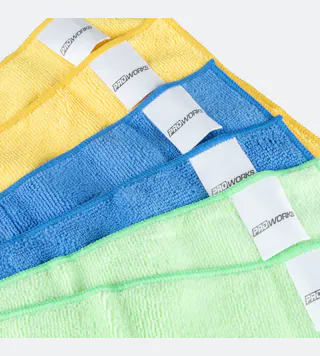
To clean your motorcycle, you will need two buckets filled with water, a microfibre cloth, and a bottle of motorcycle shampoo. Make sure you use motorcycle shampoo and not car shampoo or detergent, as these contain chemicals that may harm your motorcycle.
Start Washing
Mix the shampoo in one bucket of water. Leave the other bucket of water clean. Dip the cloth in the bucket with shampoo and gently wipe away any dirt and grime on the bike. Wash the cloth out in the bucket of pure water. Keep repeating until the motorcycle is clean.
Polish and Wax the Motorcycle
Dry the motorcycle using a microfibre cloth, then apply a coat of motorcycle polish to the paintwork. Use special metal polish for parts like the engine casing. Finally, add a thin layer of motorcycle wax to add extra protection from the elements.
Other Tips
Here are some other tips that will help get your motorcycle looking its best:
Avoid washing directly in the sun, as this can cause the shampoo to dry too quickly and leave residue behind.
Avoid washing the engine soon after a ride, as you risk getting burned.
Do not use a pressure washer, as this can damage the paintwork.
After washing your motorcycle, take some time to lubricate the chain.



5. Take Good Quality Photos
With your motorcycle now looking in peak condition, you will want to take some photos to show potential buyers just how great it looks. You don't have to be a professional photographer to take quality photos of your bike—all you need is a phone and some good lighting. Here's how you can take first-rate photos of your motorcycle.
Focus and Lighting
Make sure when you take your photos that the motorcycle is fully in focus and the lighting is sufficient for everything to be clearly seen. Natural lighting is the best option, although if that's not available, make sure your garage is well-lit.
Shoot From Multiple Angles
Potential buyers will want to see as much as possible of your motorcycle before making a purchase. Therefore, aim to take photos of your motorcycle from as many angles as you can think of. Capture images of different components as well for a complete picture.
Do Not Hide Flaws
If your bike has any faults or damage, make sure to include these in your pictures. While such defects may lower the price of your motorcycle, hiding them will do you no favours. Instead, revealing such flaws will show buyers that you are honest and trustworthy, as it gives them a realistic image of the bike.

6. Assess the Quality of Your Motorcycle
The next step in the process is to determine how much you should sell the motorcycle for. It’s strongly advisable to have a price ready that is fair and realistic. Here are some ways you can assess your motorcycle to determine an acceptable price.
Get an Online Quote
There are a number of websites that allow you to enter the details of your motorcycle and get a quick online estimate. While this quote likely doesn't factor in every detail affecting the value of your motorcycle, it is a good general indicator of how much it is worth.
Check the Current Market
Another way to estimate the value of your motorcycle is to check online listings for similar motorcycle types and see how much they’re being sold for. Filter the results by model, mileage and production year, then calculate the average of two or more listings to arrive at a fair estimate.
Find an Appraiser
For the most accurate estimate of your motorcycle's value, employ the services of an expert appraiser. Many motorcycle dealers will have professional appraisers on hand who can give you the best idea of how much you can sell your motorcycle for.
7. Choose Who to Sell To
Now that your motorcycle is presentable and ready to show off to potential buyers, you next need to decide who you wish to sell it to. There are various sales channels for different kinds of buyers. Here are the main types of buyers to choose from and the pros and cons of selling to each.
Private Individuals
Selling to individual buyers is often a great way to get the best price on your sale, sometimes even above the market rate. Dealing with individual buyers one-on-one allows you to negotiate a deal that is beneficial to both of you. The downside is that you will need to handle more administrative paperwork to make the sale official, which can be time-consuming and complex. In addition, there is a greater risk of unreliable buyers and scammers who might try to take advantage of you. You can find private buyers through online marketplaces, social media, classified ads and even through personal contacts spreading the word.
Professional Dealers
If you want to sell your motorcycle quickly and without much hassle, going to a professional motorcycle dealer is the best way to go. The main advantage of selling to a dealer is that they will handle much of the paperwork for you, saving you both time and effort. You might be able to sell your motorcycle outright or trade it in for a newer model if you prefer. The downside to selling to a dealer is that their cut will reduce the amount you receive from the sale. Consider looking at various dealers in your area to see which one will offer you the best deal.

8. Advertise Your Motorcycle
Once you’ve decided how you want to sell your motorcycle and who your buyer is, you can start creating your advertisement. Here are some tips to help you reach as many potential buyers as possible.
Choose Your Sales Channel
As mentioned previously, there are many sales channels to choose from, each with its own benefits. Online marketplaces like Craigslist are frequented by many users and allow you to advertise for free, while social media can help you reach the most people. Consider which channels will give you the best-selling opportunities.
Create a Strong Headline
The headline is the first part of the advertisement that potential buyers will see, so make it memorable. Include any details such as make, model, year, custom features, and condition in the title. For example, "2015 Harley-Davidson Electra Glide Ultra Classic – Excellent Condition and Low Mileage".
Be as Detailed as Possible
Within the ad itself, be as detailed about the motorcycle's features and condition. In addition to make, model and year, include details of the colour, mileage, and engine specs, as well as any unique or custom features. Be sure to detail the motorcycle's service and maintenance history, including any damage, imperfections or repairs. Finally, include your contact details.
Choose Your Photos
Sort through the photos you took of your motorcycle and include the best ones in your ad. Choose the pictures that show off the best angles of your motorcycle, and include photos of individual parts, such as the engine and odometer. Remember, the more that potential buyers can see of your motorcycle, the more likely they will be to make an offer.
Set Your Price
Consider the estimate you received for your appraisal and set your price slightly higher than what you would normally expect to sell it for. Often, potential buyers will expect to negotiate a lower price, so starting higher gives you a better negotiating position while still letting the buyer feel they’re getting a bargain.
9. Be Aware of Scams
Once your ad is up and running, you should make yourself available for any potential buyers who contact you. While many of these will be genuine offers, you should also be aware of potential scammers who will try to rip you off. Here are some ways to recognise and avoid falling for scams.
Urgent or High Offers
Sometimes, you will receive an offer that tries to pressure you into rushing a deal without asking for any details about the motorcycle. Sometimes, they come with a much higher offer than you were expecting. These scammers prey on the seller's keenness and try to force them into deals without thinking.
Vague Details or Refusal to Meet
Scammers will try to hide their identity, revealing only the vaguest of details, and use generic, often scripted, language during communication. If you try to meet with them, they will often have some excuse as to why they can't and try to push you into a deal without an in-person meeting. Both of these are telltale signs that the buyer is not to be trusted.
Insecure Payment Methods
Scammers like to use methods such as wire transfers, fraudulent cheques, stolen cards, cryptocurrencies and even cash offers to cheat you out of a sale. Always use trusted and reliable payment services when accepting money, and make sure to check the buyer's details to see if there is any fraudulent activity on their account.
10. Organise a Visit
Once you have found a potential buyer, the next step is to meet in person so they can see the motorcycle for themselves. This can make or break a deal, so it's important to be as open and transparent as possible. Here are some tips on organising an in-person meeting.
Make Yourself Available
You'll most likely be getting many interested parties enquiring about your motorcycle through whatever communication channels you put up in your advertisement. To make sure you get the best deal, keep your schedule open, respond promptly to any requests, and make yourself available to meet at the buyer's convenience.
Meet in Safe Locations
Always exercise caution when meeting a potential buyer. Try to meet in a well-lit, open and populated area. If possible, bring a friend or family member along. If the area has security cameras, try to locate them and stay within sight of them during the meeting.
Keep Your Options Open
Don't feel pressured to make a final deal there and then. Let the buyer see the motorcycle, give them any details they need, and let them walk away to think about the deal. They may come back later with an even better offer, or there may be other buyers ready to make a deal. Keeping your options open allows you to make the best sale.

11. Offer a Test Run
During your meeting, it's likely that the buyer will want to take the motorcycle out for a test run. This can be risky, as the rider could get into an accident or ride off with your motorcycle. To keep things safe, try these methods.
Check the Buyer's Details
Before you let the buyer take off with your motorcycle, it is important that you check that he has a licence to ride first. In addition, take down details of his address and the start and finish times of his ride. In this way, should anything happen, you will have proof that someone else was riding.
Swap Insurance Details
Another way to handle the potential fallout of an accident is to get the buyer to agree to let his insurance handle the test run. This ensures your insurance premium or no-claims bonus won't be affected in the event of an accident.
Get the Buyer to Leave a Deposit
To ensure the buyer doesn’t simply ride off with your motorcycle during a test ride, ask them to leave something valuable behind—such as a phone, wallet, cash or ID card. Be sure to verify the validity of the item beforehand to ensure they have a reason to return.
12. Finalise the Deal
Once you've found a buyer who's prepared to offer the best deal for your motorcycle, you are ready to finalise the sale and hand over your motorcycle and documentation to its new owner. Here's how to finalise the transaction.
Wait for Verification
After receiving payment, always wait for confirmation from your financial institution before handing over ownership of the motorcycle. If the buyer is paying in cash, take time to verify that the notes are genuine and store them securely until you can deposit them safely.
Keep Copies of Documentation
Once all relevant documentation has been signed, make sure to keep copies for your records. If a dispute ever arises over the motorcycle’s ownership, these documents will serve as your proof of sale.
Selling your motorcycle does come with a few risks, but if you follow these tips, you can handle the process safely—and maybe even score a great deal. If at any point something feels suspicious or you suspect criminal activity, don’t hesitate to contact the authorities. Trust your instincts—they’re your best defence.
And once the sale is complete? Give yourself a pat on the back, enjoy that extra garage space (or maybe start eyeing your next ride), and know you handled the sale like a pro.

