08 Sep 2026 • 5m read
The Complete Guide to Preventing Motorcycle Theft

You’ve saved up for your dream bike, finally got the keys in hand, and taken it out for those first few rides. The next step is making sure it stays yours. Whether you are a seasoned biker or new to riding, taking motorbike theft seriously is part of owning a motorcycle. Although motorcycle theft prevention doesn't require a great deal of effort, it does involve understanding how bike thieves think and operate. Motorcycle theft insurance may not always cover losses if you have been negligent with motorcycle security. Read on to learn more about modern motorcycle anti-theft locks, why a motorcycle anti-theft alarm can be a worthwhile investment, and other practical motorcycle security measures worth taking.


Why Motorcycle Theft Happens
Motorcycle theft is, unfortunately, a common issue in many countries around the world. Because motorbikes are lighter and easier to move, they are often seen as more appealing targets than cars. Many thieves specialise in stealing bikes, focusing on motorbikes that are poorly secured or easy to lift, push or roll away. In many cases, stolen bikes are stripped for parts rather than resold, which makes recovery far less likely.
It is also worth understanding that motorcycle thieves usually look for quick wins that involve minimal effort and low risk. They tend to target places where they are unlikely to be seen, challenged or interrupted. Knowing how thieves think and operate allows bike owners to take practical steps to strengthen their motorcycle security. In some cases, these measures may also help reduce the cost of motorcycle theft insurance, as premiums are often linked to how well a bike is protected.
If an insurer can see that recognised motorcycle theft prevention measures are in place, such as fitting a motorcycle anti-theft alarm, premiums may be lower depending on the policy and whether the equipment is certified or approved. Many insurers recognise certified security devices, including Thatcham approval in the UK, as well as Sold Secure and ART ratings across much of Europe.
Common methods used by thieves
Motorcycle theft happens because there is clear financial gain in stealing bikes. As a result, thieves have developed a range of effective methods to get around common motorcycle theft prevention measures. One of the quickest and quietest techniques used by organised groups is physically lifting a bike onto a low-loader, a trailer or into a van. This is why chaining your motorcycle to a solid, fixed object can make a world of difference.
Breaking poor-quality locks is another common tactic, with weak chains or padlocks sometimes defeated in seconds. Investing in a stronger lock can slow thieves down and increase the chance they move on to an easier target. Some criminals also know how to interfere with steering locks or tamper with ignitions, which mainly affects bikes left without additional security.
Finally, there are opportunistic thieves who target motorcycles that riders have just stepped away from but have not yet locked. This can happen in car parks, petrol stations or busy public areas, so it is always worth staying alert when stopping around other people.
Types of bikes most often targeted
All types of bikes can be targeted by criminals, so motorcycle theft prevention should be considered across the board. That said, more expensive models, such as premium sports bikes or adventure bikes, are often more likely to be targeted due to strong resale demand and the value of their parts. Small commuter bikes and scooters are also frequently stolen, particularly by groups who lift motorcycles manually to remove them. This is largely because they are lightweight and easy to transport.
Rare or collectable motorcycle models may be harder to sell on, but they can still attract specialist thieves. In some cases, bikes are stolen to order or stripped for parts, especially when components are difficult to source or valuable on the second-hand market.
Situations where bikes are most vulnerable
Motorcycle security matters most at night, as this is when the majority of thefts take place. Thieves rely on darkness to avoid attention, so it is best to avoid poorly lit areas that give them cover. Bikes are rarely taken while in use and are far more likely to be stolen when they are left unattended, either without people nearby or outside the view of CCTV cameras.
Another common risk is when owners park in the same place on a regular basis, at home or school, for instance. This can give bike thieves time to observe patterns and plan a theft more carefully. As a result, one of the most effective motorcycle theft prevention habits is to vary where you park whenever possible, which makes it harder for thieves to act on familiarity or routine.

How to Lock Your Motorcycle Properly
Locking a motorcycle correctly is one of the most effective ways to stop thieves from taking it. Some riders fail to do so, even though they know they are taking a chance. Read on to find out what the right motorcycle theft prevention methods are when locking a bike.
Choosing the right lock
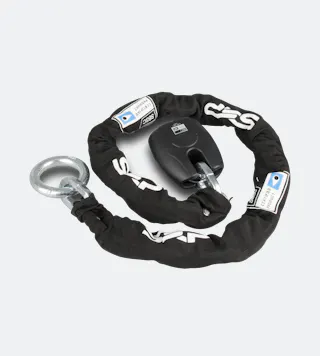
Buy the best anti-theft motorcycle lock you can, as this is the single most important factor in any effective motorcycle theft prevention setup. Look for Thatcham-approved or other recognised security-rated padlocks, many of which are available with high-quality chains. When used together, they offer a high level of motorcycle security and are much harder to cut through than lighter alternatives.
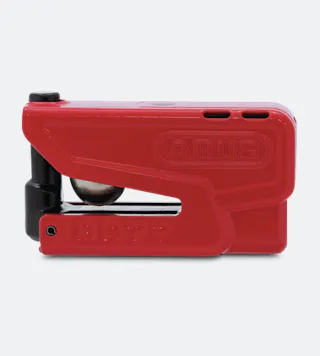
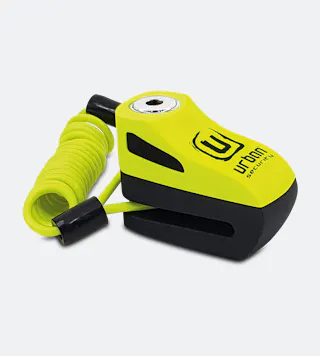
For any anti-theft motorcycle lock, hardened steel construction is always worth prioritising, as it improves resistance to bolt croppers and other common cutting tools. U-locks and disc locks can provide an extra layer of protection, but they should not be relied on by themselves. These are usually better suited to short stops in relatively secure locations, while a chain and padlock combination is the safer option when parking your bike overnight.
Locking to a fixed object
Even if there is nothing solid to secure your motorcycle to, you should still lock it. However, fixing the bike to a fixed object with a chain, such as a ground anchor, railing or street sign, makes it far harder to remove. Keeping the chain tight with minimal slack also reduces the chances of thieves being able to defeat it. Avoid attaching your bike to anything weak or flimsy, as this offers little real resistance and may not act as an effective deterrent.
Securing both wheels and frame
Locking a motorcycle through its frame provides the strongest connection and offers the best protection against wheel removal. Adding a second lock to either the front or rear wheel creates an additional obstacle that thieves must deal with. Faced with multiple security measures, many will simply move on and look for an easier bike to steal, making this extra step a worthwhile part of any motorcycle security setup.

Best Places to Park Your Motorcycle
Where you park your motorcycle can make a real difference to motorcycle security. Some locations offer far more protection than others. Even the best motorcycle anti-theft alarm is far less effective if your bike is parked somewhere no one can hear it. For that reason, thinking carefully about where you leave your motorbike during the day and overnight is one of the simplest and most effective ways to improve overall motorcycle security.
Safe parking at home
Parking your motorcycle in a garage is always the best option, but it should still be locked. A locked garage hides the bike from view and physically restricts access at the same time. If a garage is not available, a secure shed or a driveway behind lockable gates is the next best choice. In situations where these options are not possible, fitting a ground or wall anchor allows you to secure the bike to a fixed point, significantly improving the effectiveness of any anti-theft motorcycle lock you use.
Secure parking in public places
When parking in public, use the best anti-theft motorcycle lock you can afford. Securing your chain around a solid object, such as a lamp post or a bicycle rack, adds an extra layer of motorcycle security. Choosing a well-lit area can also discourage thieves, as it increases the chance of them being seen. Using a cover further improves motorcycle security in public spaces. The best motorcycle covers not only act as a physical barrier but also hide high-value bikes and visible security devices from view.
What to avoid when parking
Motorcyclists should avoid dark areas where bikes are more likely to attract unwanted attention. Isolated spots with little foot traffic are also best avoided, as thieves prefer locations where they can get to work undisturbed. When parking in public, lock up your motorcycle as soon as you can. Some thieves deliberately watch for recently parked motorcycles, as these can be more vulnerable before security measures are fully in place. Finally, avoid chaining your bike to weak objects, such as garden fence posts or lightweight railings. Doing so can undermine your motorcycle security and may encourage an opportunistic thief to take a closer look.

Using Alarms and Tracking Devices
In addition to physical locks, electronic security is one of the most effective deterrents you can add to your motorcycle. An anti-theft motorcycle alarm, when used together with traditional locks, provides a great degree of security for unattended bikes. GPS tracking devices also play an important role, acting as deterrents while improving the chances of recovery if a theft does occur. Used together, these tools help create a layered motorcycle security setup that is far harder for thieves to overcome.
Benefits of motorcycle alarms
Motorcycle alarms can quickly scare off opportunistic thieves once they start sounding. Even more experienced criminals are less likely to hang around when an alarm is drawing attention, as most prefer to work quietly and unnoticed. Some motorcycle anti-theft alarms also double as immobilisers when triggered, preventing the bike from being started and adding another effective layer of motorcycle security.
How trackers improve recovery
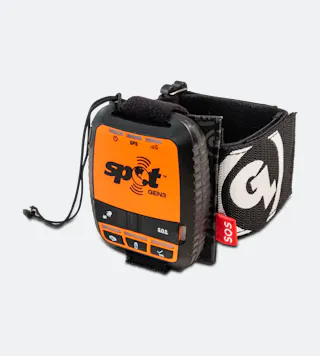
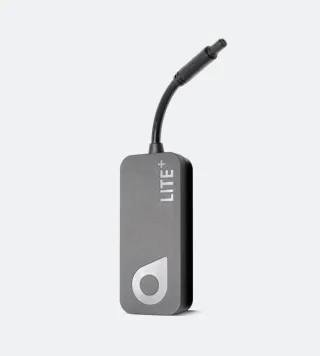
Motorcycle trackers serve two main purposes: deterrence and recovery. GPS trackers can provide location updates that help trace a stolen bike, either in real time or at regular intervals. This means you have a clear idea of where your motorcycle has gone if it is taken. When fitted discreetly, trackers are difficult to find and remove, giving you and the police a better chance of recovering the bike.
Combining alarms with physical locks
Alarms are not a complete motorcycle security solution on their own. Some criminals may still persist, especially if the bike is easy to move. When an alarm is paired with strong physical locks that take time to defeat, even experienced thieves are more likely to abandon the attempt. A loud motorcycle anti-theft alarm, combined with a heavy chain and quality lock, increases the chances that attention will be drawn before the bike can be taken.

Extra Tips to Make Your Motorcycle Harder to Steal
When it comes to choosing the best motorcycle security options, there is no single solution that works on its own. No one motorcycle security measure is enough by itself. The most effective approach is to combine several sensible precautions to make your bike less appealing and harder for thieves to target.
Covering your motorcycle
Leaving a motorcycle uncovered does more than expose it to the weather and minor damage. It also makes it far more noticeable to passing thieves. This is especially true if you own a nice Harley or R1 that naturally attracts attention. Using a cover improves motorcycle security less because it physically stops theft, and more because it keeps the bike out of sight. A covered motorcycle suggests it is cared for and possibly protected by additional security measures. In simple terms, fitting a cover sends a clear signal that the bike may not be worth the effort to steal.
Marking and registering your parts
Marking your motorcycle and its key components with a UV pen can help the police identify recovered parts more easily. Forensic marking kits are another option. These are invisible under normal light and won’t damage your bike in any way. Registering these marks on a national database can improve the chances of stolen motorcycles being matched back to their owners. Marked components are also less attractive to thieves, as they are harder to sell on through legitimate parts channels.
Simple habits that increase security
Lock your bike whenever possible. Even a brief stop at a motorway service station can be enough time for a theft to occur. Locking should become a routine motorcycle security habit rather than something you only do for longer stops. If you park in public regularly, try not to leave your bike in exactly the same spot every night. Repeating the same routine makes it easier for thieves to observe patterns and plan a theft. Changing where you park makes their job harder. Finally, turn the handlebars fully to engage the steering lock if your bike has one. This makes it more difficult to roll the bike away or load it onto a van or trailer.
Motorcycle Security FAQs
What type of lock is best for preventing theft?
The best anti-theft motorcycle lock will usually be a Thatcham-approved padlock paired with a strong chain, or an equivalent system certified by Sold Secure or ART in other parts of Europe. Ideally, the chain should be made from hardened steel to resist cutting and leverage attacks. Disc locks and U-locks are also useful, but they work best as additional protection rather than a primary defence. On their own, they are easier to defeat. When used alongside a certified chain and padlock, however, they add another obstacle and increase overall motorcycle security.
Do motorcycle covers really help?
Yes, motorcycle covers can improve security in several ways. They discourage opportunistic thieves by hiding the type and value of the bike underneath. Motorcycle security is also improved because removing a cover takes time and adds another step to the theft attempt. In many cases, this extra effort is enough to make a thief move on. Covers also hide locks and other security measures, making it harder for thieves to assess how protected the bike really is.
Are trackers worth the cost?
Trackers can be worth the investment, especially when compared to the potential increase in motorcycle theft insurance premiums after making a claim. Most trackers send alerts if your bike is moved unexpectedly and allow you to monitor its location. This significantly improves the chances of recovery if the bike is stolen. Trackers can also offer peace of mind if you lend your motorcycle to someone else. Trackers sometimes aren't worth it for low-value or older motorcycles, which are less likely to be targeted by thieves anyway.
How can I secure my bike overnight?
Always lock your motorcycle when it is not in use, particularly overnight, when theft is more likely. Use the best anti-theft motorcycle lock you can afford, especially if the bike is parked on the street rather than in a garage. Parking in a well-lit area, such as under a street lamp, can also help deter thieves. Using a cover adds another layer of protection, and fitting a loud motorcycle anti-theft alarm can alert you or others if someone attempts to steal the bike during the night.

