20 Jul 2026 • 5m read
How to Brake Safely on a Motorcycle

Anyone learning how to ride a motorcycle should understand how the bike behaves in all conditions. One of the most important skills to master is braking. Learning how to brake safely on a motorcycle requires a different approach compared to braking in a car, as riders need to understand brake balance, control and how braking performance changes in situations such as wet weather or when carrying cargo. This guide explains the techniques involved so you can brake safely on a motorcycle with confidence on the road.
Why Proper Motorcycle Braking Matters
Safety is paramount when riding a motorcycle. Sudden braking can increase your chances of accidents, as well as causing wear on your motorcycle. Keep these factors in mind when braking.
Stopping distance and grip
Say you notice a hazard up ahead on the road and you need to apply the brakes. The distance it takes from you applying the brakes until you come to a complete stop is known as the stopping distance. Keep in mind, the longer it takes for you to apply the brakes after noticing a hazard, the further you will travel until you reach a full stop. This distance increases further in wet weather, where the road is much more slippery. Another thing to consider is grip. This refers to the connection between the motorcycle's tyres and the surface. Improper braking techniques can reduce your motorcycle's grip on the road, causing you to lose stability and potentially have an accident. Through safe braking on a motorcycle, you can overcome issues with stopping distance or lack of grip to come to a much safer stop.
Common beginner mistakes
These are a few of the common mistakes beginners make when it comes to braking safely on a motorcycle:
Not anticipating approaching hazards, resulting in braking too late.
Failing to close the throttle while braking, which causes the motorcycle to continue accelerating despite braking.
Not having fingers close to the brake lever in anticipation of stopping. This greatly increases the stopping distance.
Being unprepared for emergency braking procedures if they occur.
Pulling the front brake too hard and causing the motorcycle to lose traction.
Instinctively pulling the clutch when braking, removing engine braking from the equation. This also increases stopping distance.
Applying the rear brakes only while neglecting the front brakes. This can cause the motorcycle to start skidding, potentially increasing wear.
Turning the bike while hard braking, causing it to lose control.

Understanding Your Motorcycle’s Braking System
Even the fastest motorcycles need a safe way to slow down. To use your brakes safely on a motorcycle, it is important to understand how the braking system works. Each component has its own function in ensuring you come to a safe stop each time. Here are some common elements to consider.
Front brake: main stopping power
The front brake is the one that does most of the work when it comes to braking. You can find the lever for the front brake on the right side of your motorcycle's handlebars. When pressed, your front brakes perform around 70% of your motorcycle's stopping action. As it is the most powerful component of your braking system, you should always try to apply the front brakes smoothly and without too much pressure. This will allow you to safely come to a steady and complete stop.
Rear brake: stability and control
The rear brake is operated by a pedal on the right side of your motorcycle, located near the footpeg. While not as powerful as your front brake, it contributes to a reduction in speed. Using the rear brake is particularly useful when you want to slow down without coming to a complete stop. It also reduces the risk of the rear wheel rising off the ground if the front brake is applied suddenly. Ultimately, the rear brake helps you maintain stability and reduces the risk of losing control.
ABS vs non-ABS braking
ABS stands for anti-lock braking system. It uses a computer to monitor wheel speed, and if you suddenly need to brake hard, the ABS kicks in and prevents the wheels from locking up. This helps reduce stopping distance, maintain control, and potentially avoid accidents or damage to your motorcycle. While ABS has become a common feature on modern motorcycles, it is still important to learn safe motorcycle braking techniques and not rely on it alone. If your bike doesn't have ABS, you will need to modulate brake pressure manually. Aim to apply around 70% pressure to the front brake and 30% to the rear brake, and practise until it feels natural.

How to Use Your Front and Rear Brakes Safely
Now that you know about your front and rear brakes and where they are located, you can practice using them together. Each component has a different function when it comes to bringing your motorcycle to a safe stop. Here are some tips on when to use each brake safely on a motorcycle.
When and how to apply the front brake
Keep two fingers on the front brake lever and apply it gently for a smooth stop. The more pressure you apply, the stronger the braking force, so be careful. Use the front brake when slowing down from higher speeds, coming to a quick stop, or braking while riding in a straight line. As the front brake provides most of your motorcycle’s stopping power, use it smoothly and efficiently to come to a controlled, steady stop. Never apply the front brake suddenly when the handlebars are turned, as this can cause the motorcycle to lose balance and tip over, even at low speeds, including for experienced riders.
When to use the rear brake
To operate the rear brake, tap the pedal gently with the toe of your boot. The rear brake has much less stopping power than the front brake and is mainly used to reduce speed while maintaining balance rather than bringing the motorcycle to a full stop. It is particularly useful during low-speed manoeuvres such as parking or turning, when starting on sloped surfaces, and in any situation that requires extra balance while riding slowly.
Finding the right balance between both
Once you know how both brakes work and what part they play, you can use them together to come to a more efficient stop. By pressing both brakes at the same time, you can come to a more gradual stop. This distributes the stopping power between both brakes, with the rear brake helping you maintain balance and reduce speed, while the front brake helps you come to a complete stop quickly. This is particularly helpful when it comes to braking on wet or uneven surfaces without the risk of the wheels locking up.
Braking Techniques for Different Riding Situations
Once you have a handle on braking safely on a motorcycle, it’s worth learning how braking techniques change in different situations. This can range from how to brake on a motorcycle in the rain to braking safely when carrying cargo or a passenger. Below are several scenarios worth practising.
Braking in corners
Slow down when approaching a corner by applying both the front and rear brakes while keeping the motorcycle upright. Counter-steer as needed to maintain balance. An advanced technique known as trail braking can also help maintain control through a corner. To do this, apply firm, controlled braking while upright on the approach. As you lean into the turn, gradually release the brakes until you are out of the corner and ready to accelerate. This technique requires practice, so try it in a safe environment before using it on public roads.
Emergency braking
If an emergency situation arises where you need to brake suddenly, it’s important to stay calm and avoid panic reactions. Apply both brakes smoothly but firmly. If the rear wheel locks up, keep the rear brake applied and ride it out while remaining upright. If the front wheel locks, release the brake immediately and reapply it smoothly. If your motorcycle is fitted with ABS, the risk of wheel lock-up is greatly reduced. Once you have come to a complete stop, check your mirrors and blind spots before moving off again.
Braking on wet or slippery roads
Wet and slippery roads make braking much harder for motorcycles. Not only does the overall stopping distance increase on wet roads, but there is the potential for hydroplaning where water on the surface causes tyres to lose traction with the road. In order to brake safely on a motorcycle in wet conditions, you should apply both brakes early and gently until you reach a gradual stop. As the stopping distance will be greater in wet weather, braking early will ensure a much safer stop. For this reason, always keep a good distance behind other vehicles.
Braking with a passenger or luggage
Much like on slippery roads, riding with a passenger or luggage will greatly increase your stopping distance. This is because the extra weight puts additional pressure on the brakes. Make sure to apply both brakes early and smoothly to come to a safe stop. Avoid braking too suddenly as this could potentially harm your luggage or pillion passenger. If riding with a pillion, use hand signals to inform them of an impending stop.

Common Braking Mistakes to Avoid
Even if you are an experienced motorcycle rider, there are some common braking mistakes that you could be making in your everyday riding. To avoid injury or damage to your motorcycle, avoid the following.
Grabbing the brakes suddenly
When you see an obstacle up ahead or need to come to a complete stop, it might be tempting to grab the brakes as hard as you can. The problem is that this sudden braking can affect the stability of the motorcycle and cause the wheels to lock up. Risks include loss of traction with the road, front wheel lift that could throw you from the motorcycle, or rear wheel sliding that can lead to loss of control. Practice emergency braking safely on a motorcycle to avoid the risk of panic braking.
Overusing the rear brake
While the rear brake is useful in slowing the motorcycle down and keeping balance at slow speeds, it shouldn't be used as your main brake. The front brake has greater stopping power than the rear one, and the rear brake should be used to support the use of the front one. If the rear brake is overused, it can cause the rear wheel to lock up, potentially leading to loss of control at higher speeds. In addition, relying on the rear brake reduces your stopping power and increases your braking distance.
Braking too hard in a lean
While it is okay to lean slightly when turning or going around corners, leaning too much while braking can interfere with your traction, causing you to lose balance and possibly fall from your motorcycle. Try to keep as straight as possible during turns and apply the brakes smoothly and gradually before you make your turn. Practice trail braking to confidently brake around corners safely.
How to Improve Your Braking Skills
No matter your level of experience with riding motorcycles, it always pays to continue practising to improve your skills. The more you practice braking in a safe environment, the more confident you will be on the road. Here are some ways you can improve your braking skills:
Safe practice drills
Targeted practice helps you build braking skills in a controlled way. Consider advanced motorcycle training or set up your own drills in a safe area. Focus on body positioning, emergency braking, trail braking, and coordinating the front and rear brakes together. Practising in different conditions, such as wet weather, will also help you understand how braking performance changes.
Increasing braking confidence
Confidence develops through repetition and gradual progression. As braking techniques become more familiar, your reactions will feel more natural and controlled. If you are a beginner, take your time and avoid rushing the learning process. Consistent practice will help you respond calmly in real-world riding situations.

Motorcycle Maintenance for Better Braking
Even if you know how to use your motorcycle brakes efficiently and safely on the road, braking performance will suffer if the system is poorly maintained. Your brakes are one of your motorcycle’s most important safety features, so keeping them in good condition matters. To ensure your braking system performs as it should, regularly check the following components.
Brake pads and discs
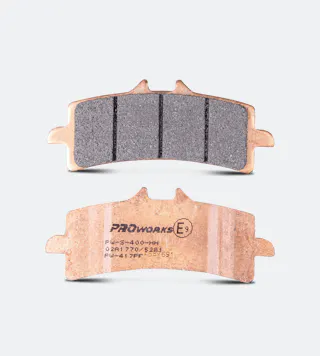
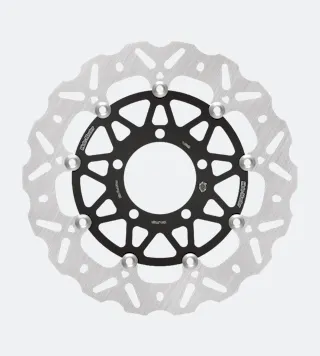
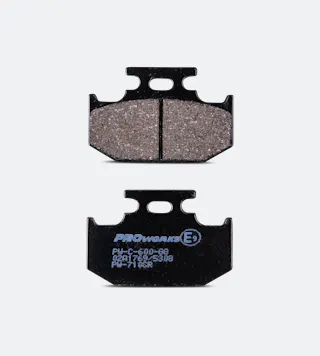
Your brake pads and discs are key components of your braking system. Without them, your motorcycle cannot stop effectively. Brake pads wear out over time and should be checked regularly to see if they need replacing. One simple indicator is the wear groove. If the indicator has disappeared, the pads are due for replacement. Consider having a professional replace your pads and discs if needed, or, if you prefer to do it yourself, follow our guide on changing motorcycle brake pads. It’s also worth cleaning your discs regularly to remove grime or moisture that could affect braking performance.
Brake fluid condition
Your brake fluid helps ensure your braking system remains well-lubricated and functional. If the fluid is too low or too old (usually indicated by a dark, murky colour), then it may be time to replace it. Drain the reservoir of the existing brake fluid using a hose and bleeder valve, then refill it with new brake fluid. Make sure to also bleed the brakes to ensure there is no contaminated fluid or air bubbles that could affect braking. Once done, test your brakes to ensure everything is in good working order. It is a good idea to perform this process at least once a year.
Tyre grip and pressure
Your tyres are your main point of contact with the road, and you will need to ensure they have adequate grip and pressure for a safe journey. Over time, tyres will suffer wear and lose pressure, so it is important to check your tyres regularly. Checking your tyres at least once a week is recommended, or before you go on a long journey. Check the tread depth of your motorcycle. If the depth indicators have worn away, it is time to replace your tyres. Also, check your tyres to ensure they are within the manufacturer's specifications. Remember that some tyres work better in dry conditions compared to wet ones, so plan accordingly.

Closing Tips
Learning how to brake safely on a motorcycle is essential for riding safely on the road. While effective braking takes practice, regular training will help you become a more confident and controlled rider over time. Keep these tips in mind:
Remember that stopping distances increase on motorcycles, and you should anticipate upcoming obstacles in order to brake early and safely.
Front brakes have the most stopping power, while rear brakes are best for control and slow manoeuvring. Learn to use both for the safest and most efficient braking.
Never grab your brakes too suddenly. Always apply them smoothly and gradually for the safest way to stop.
While ABS braking helps protect your wheels from locking up, it is important not to rely on it to replace good braking practice.
Extra weight on your motorcycle and wet surfaces increase your stopping distance, so you should adjust your braking accordingly.
Maintain your braking system regularly by checking your brake pads, discs, fluid and tyres.
Practice braking procedures in a safe location regularly so that you can build confidence on the road.


